A reliable commercial electric service responds to more than just unexpected faults. Maintaining outdoor lighting networks requires a proactive schedule to keep sites safe and operational. Experienced contractors know that proper upkeep prevents major failures.
Operators often associate electrical contractors only with fixing broken gear. DCEA actually designs and installs outdoor lighting systems for commercial and institutional clients, rather than just servicing existing arrays
What Constitutes a Preventative Maintenance Schedule?
A preventative maintenance schedule is a documented plan of regular inspections and minor servicing designed to stop equipment failures before they happen. Facility managers rely on these plans to avoid sudden blackouts across parking lots or sports fields. Routine checks catch failing ballasts and water ingress early.
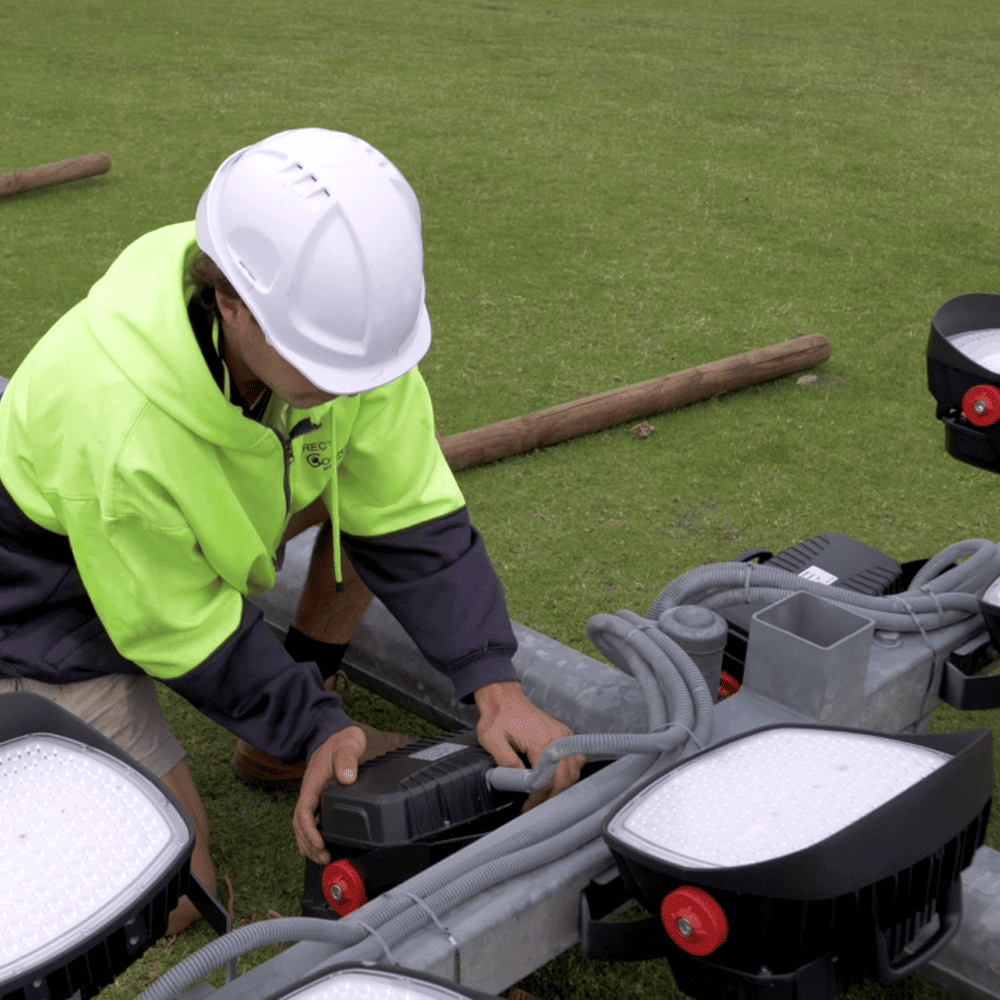
Field experience shows exactly what goes wrong out in the weather, so a scheduled commercial electric service visit typically covers these specific actions:
Checking all seals and gaskets for signs of UV degradation or cracking to prevent water ingress.
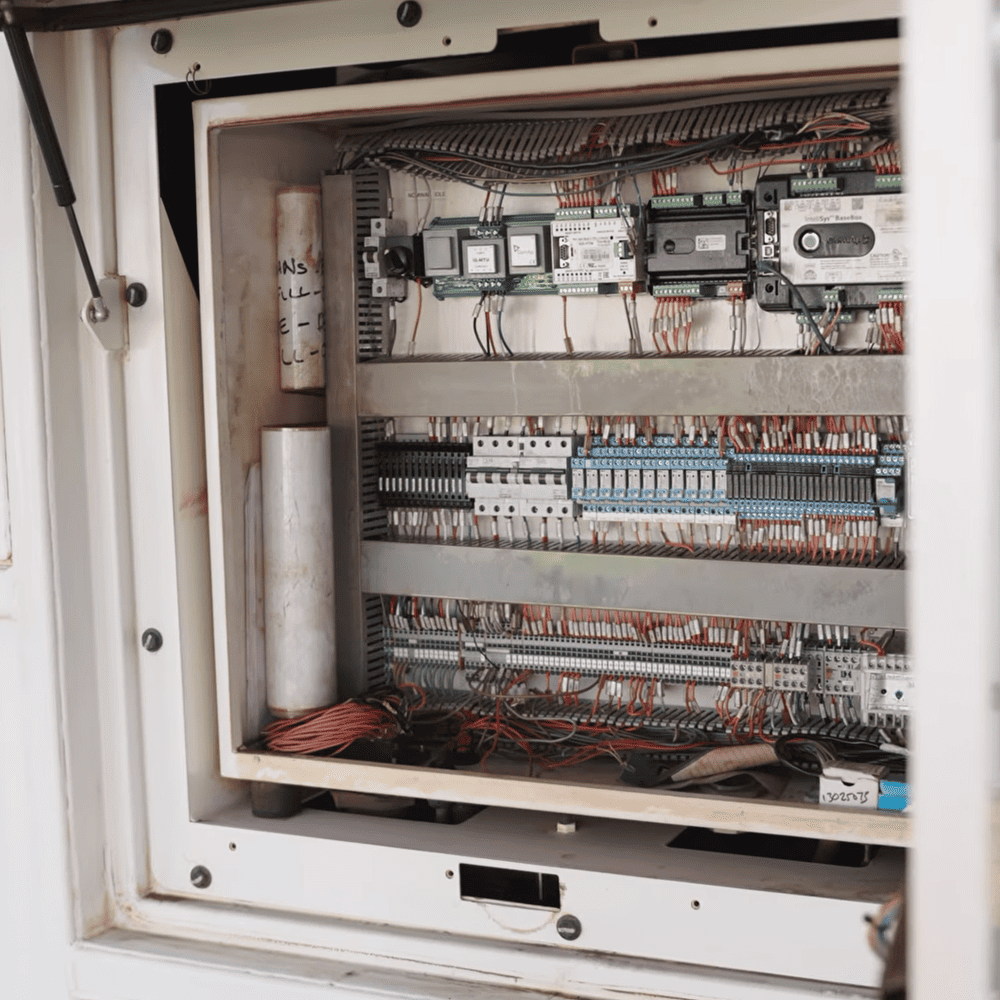
Testing the control gear, including timers and photocells, to ensure lights activate exactly when required.
Cleaning the polycarbonate lenses to remove dirt buildup that artificially reduces light output.
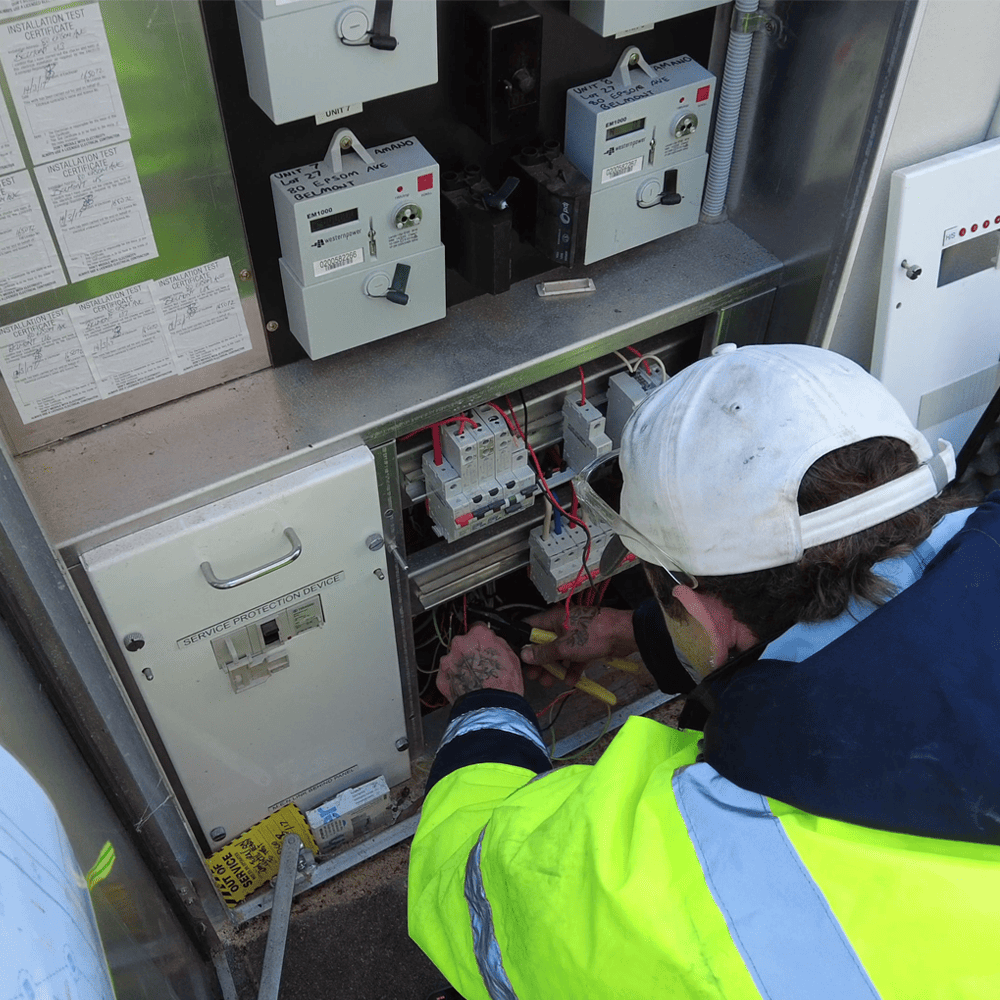
Measuring voltage drops across the active circuits to catch degrading underground cables early.
Re-aiming floodlights that might have shifted out of alignment during high winds.
Without a formal plan, maintenance becomes entirely reactive. Site operators end up guessing which lights need attention based on tenant complaints. A structured schedule removes this guesswork entirely. Technicians follow a detailed checklist tailored to the specific hardware installed on the property.
Getting these basics right stops minor issues from turning into full-system replacements. Operators save thousands of dollars when a technician spots a cracked seal before water destroys an expensive LED array. It’s basic common sense applied consistently across the whole site.
How Lumen Depreciation Impacts Site Safety
Lumen depreciation compromises site safety by slowly reducing visibility below the minimum required lux levels for pedestrian and vehicular traffic. Property owners face severe liability risks when lighting falls below AS/NZS 1158 compliance standards for public lighting. An LED fitting might still turn on but only output sixty percent of its original brightness.
Safety audits routinely fail sites for the following depreciation-related faults that develop over time:
Diminished vertical illuminance that makes it much harder for drivers to spot pedestrians in parking areas.
Harsh shadowing on stairwells and walkways caused by inconsistent output across adjacent fittings.
Reduced colour rendering that stops security cameras from capturing usable night-time footage of incidents.
Older high-intensity discharge lamps suffer from extreme depreciation curves. A traditional metal halide bulb might lose up to half of its initial lumen output within the first ten thousand hours of operation. Site operators often fail to notice this gradual fade because the human eye naturally adjusts to lower light conditions. The bulbs still consume the exact same amount of electricity despite producing significantly less light.
How Environmental Wear Damages Outdoor Infrastructure
Environmental wear damages outdoor infrastructure through extreme temperature fluctuations, high UV indexes, driving rain, and corrosive salt spray. Coastal environments are particularly brutal due to salt spray accelerating corrosion on mounting brackets and metal housings.
Standard commercial lighting arrays cop a hammering during summer storms. Heat expansion and cold contraction cause mechanical stress on every single mounting point.
Water ingress remains the leading cause of premature failure in outdoor lighting networks. Once a rubber gasket dries out and cracks under the intense sun, moisture finds a way inside the housing. Condensation on the inside of a lens is a very early warning sign of a breached seal. If left ignored, that trapped moisture eventually shorts out the sensitive internal control boards.
Vibration presents another massive challenge for pole-mounted arrays in high-wind areas. Continuous swaying slowly loosens internal wiring connections and terminal blocks. A loose connection increases electrical resistance, generating heat that eventually melts the surrounding plastic components. Routine inspections lock down these connections before they cause any thermal damage.
How Maintenance Logs Support Compliance and Insurance Claims
Maintenance logs support compliance and insurance claims by providing verifiable proof that site lighting meets national safety standards. Public liability insurers demand evidence of ongoing maintenance if an accident occurs on the property. Without a paper trail, facility managers leave themselves entirely exposed to negligence claims. Insurers don’t accept verbal assurances of site safety.
Comprehensive maintenance logs specifically help site operators avoid the following compliance failures:
Failing to prove regular alignment checks, leading to council fines for residential light spill.
Operating below mandated occupational health and safety lux levels for industrial night work.
Using non-compliant replacement components that instantly void the original manufacturer warranties.
Light spill and glare are heavily regulated under AS 4282, which controls the obtrusive effects of outdoor lighting. Installations shouldn’t blind passing motorists or shine directly into neighbouring residential windows. Over time, heavy winds can shift pole-mounted fixtures completely out of alignment. A maintenance crew ensures everything points exactly where the original lighting design intended.
Local councils actively enforce these lighting codes during regular community safety audits. Fines for non-compliance quickly exceed the cost of an annual maintenance contract. A documented schedule provides total legal cover for the property management team. It proves that the site operator took all reasonable steps to maintain a safe environment.
When Should Facilities Upgrade Rather Than Maintain Old Gear?
Facilities should upgrade rather than maintain old gear when existing fixtures require constant repairs and consume excessive electricity. Older metal halide or high-pressure sodium lamps drain power and demand frequent bulb replacements.
At a certain point, maintaining legacy equipment throws good money after bad. Upgrading to a modern LED array slashes running costs dramatically while instantly improving site safety.
Most operators reckon it’s better to use one company for both the installation and the ongoing servicing. DCEA possesses the capacity to handle these large-scale commercial installations when older systems finally reach the end of their usable life.
Their work on the Joondalup Baptist College Rugby Field Lighting upgrade shows their ability to execute custom installation briefs within strict client budgets.
Frequently Asked Questions
How Often Should Commercial Outdoor Lighting Be Serviced?
Commercial outdoor lighting should undergo a comprehensive service every six to twelve months, depending on the local environment. Coastal locations or heavy industrial sites require much more frequent checks due to accelerated airborne corrosion. Routine visual inspections should occur monthly to catch any obvious outages quickly.
What Does a Standard Lighting Maintenance Contract Include?
A standard contract includes cleaning lenses, checking environmental seals, testing control gear, and verifying correct lux levels across the site. Technicians also perform rigorous electrical safety testing on all circuits and physical connections. Most commercial agreements provide a detailed compliance report immediately after every scheduled visit.
Can Commercial LEDs Be Repaired or Must They Be Replaced?
Many high-end commercial LED fixtures allow for individual component repairs, such as swapping out a faulty driver or power supply. Cheaper, fully sealed units often require complete replacement if the internal board fails. A qualified technician will always assess the fitting to determine the most cost-effective solution for the client.
Final Thoughts
A structured maintenance plan prevents minor faults from escalating into massive repair bills. Keeping outdoor lights operational requires more than changing dead bulbs when tenants complain. It demands proactive management of the entire electrical infrastructure to catch problems early. Consistent oversight ensures absolute compliance with strict Australian safety standards.