Routine strata maintenance and repairs usually focus on highly visible common areas. People look at the lawns, the lifts, and the hallway carpets. Switchboard cabinets rarely get the same attention. Most committees just assume the electrical infrastructure works perfectly until the lights suddenly go out.
What a Basic Visual Inspection Actually Catches
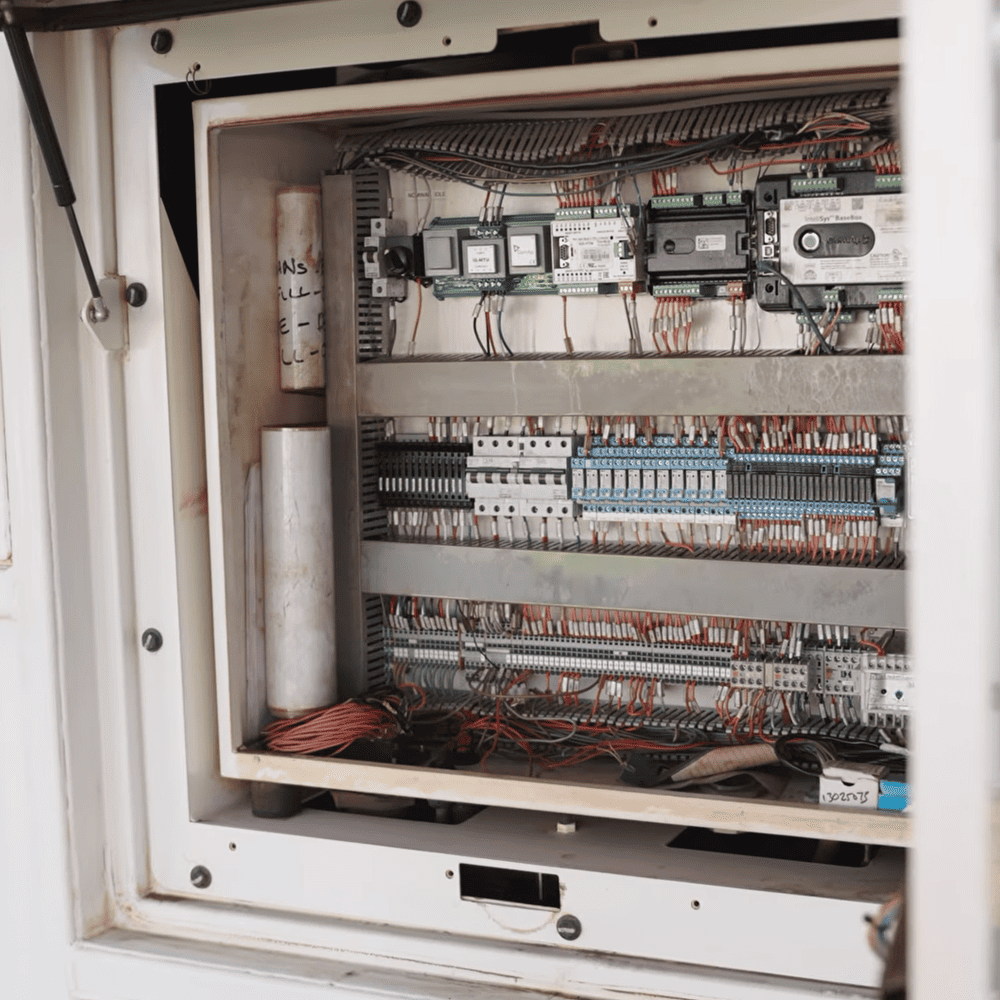
A basic visual inspection immediately identifies physical blockages, pest intrusions, and obvious heat damage inside the electrical cabinet. There’s a common line in the trade about switchboards being absolute magnets for trouble. Dust settles heavily in these enclosed spaces over time. Geckos and spiders often find their way into the warm, dry enclosures during winter.
Accumulated dust acts as a thermal blanket on highly sensitive components.
Pest droppings bridge electrical gaps and trigger immediate short circuits.
Discolouration around terminals indicates dangerous slow-burning resistance faults.
Deteriorating door seals let moisture seep in during heavy coastal rain.
Catching these signs early saves committees from chucking money at expensive emergency callouts. A dusty board might just need a proper vacuum by a qualified cleaner. Experienced operators reckon a clean cabinet runs significantly cooler. Heat remains the main enemy of any commercial electrical installation.
Why Dust and Debris Buildup Demands Attention
Dust and debris buildup demands immediate attention because it directly causes overheating and increases the risk of electrical fires. Switchboards naturally generate heat under normal daily loads. The internal components need clean air to dissipate that thermal energy safely. A thick layer of grime stops that natural cooling process dead in its tracks.
Grime across insulating surfaces creates highly conductive tracking paths for high-voltage arcs.
Built-up dirt mechanically jams breaker switches during critical fault conditions.
Corrosive airborne particles degrade exposed copper connections significantly over time.
Some properties cop a hammering from coastal salt air or nearby construction sites. These locations see cabinet contamination happen twice as fast as normal suburbs. A simple wipe-down won’t clean heavily soiled electrical enclosures properly. Proper cabinet cleaning requires specialised techniques to remove bonded dirt safely.
Industry veterans know a spotless switchboard is a reliable switchboard. Ignoring the grime just guarantees a major blowout during the peak summer load. Consistent attention keeps the building’s infrastructure ticking along nicely.
When to Escalate to Professional Strata Maintenance and Repairs
Committees must escalate to professional strata maintenance and repairs the moment they detect burning smells, buzzing sounds, or frequent breaker trips. Visual checks have strict limits for untrained personnel. Unqualified people shouldn’t be poking around live electrical components under any circumstances. The line between a basic cleaning job and a critical repair is sometimes very thin.
An ozone or burning plastic smell means insulation is melting right now.
Audible humming or crackling indicates loose connections pulling excessively heavy current.
Breakers that completely refuse to reset point to an active, unresolved hard fault.
Visibly melted plastic around main terminals requires an immediate system shutdown.
There’s no point taking chances with these specific warning signs. A quick call to a qualified electrical contractor gets the issue sorted safely. Most trade professionals see these dangerous red flags weekly. Early intervention usually means tightening a few lugs or replacing a single breaker.
Waiting too long means replacing the entire board after a catastrophic meltdown. Nobody wants to explain a preventable blackout to forty angry residents. A proactive approach makes life easier for everyone involved.
The Hidden Costs of Ignoring Switchboard Enclosures
Ignoring switchboard enclosures leads to massive emergency replacement costs and severe legal liabilities for property owners. Preventative care always costs a fraction of an emergency weekend callout. Electrical fires cause extensive property damage that insurance companies heavily scrutinise. Regulatory compliance dictates strict adherence to current Australian electrical standards.
The national wiring rules mandate specific conditions for commercial electrical installations. Boards must remain free from external influences that impair their safe operation. Failing to maintain this standard leaves the property exposed to massive legal liability. If a fire starts in a neglected board, investigators will ask questions immediately.
They’ll look at the strata maintenance logs straight away. Regular cleaning and inspection schedules form a solid defence against negligence claims. A small check inside the cabinet proves the committee takes their duties seriously. It shows they give safety a proper crack at every opportunity.
The financial impact of a full board replacement can drain a sinking fund instantly. Proactive cleaning and minor repairs protect that fund for other necessary projects. Good maintenance just makes excellent financial sense.
Setting a Realistic Inspection Schedule
A realistic inspection schedule involves a visual check every six months and a comprehensive professional assessment annually. Strata managers don’t need to check the board every single week. Over-servicing is a complete waste of time and strata resources. A sensible routine catches the slow-moving issues before they escalate into emergencies.
It aligns well with standard pest control and fire safety checks. Buildings in harsh environments might need a slightly tighter schedule. Seaside properties or those near heavy industrial zones face faster contamination rates. Dust and salt don’t take holidays.
The six-month mark is usually the sweet spot for a quick visual once-over. The annual check should involve proper thermal imaging by a licensed sparky. Logging these inspections takes almost no effort at all. A simple notebook inside the cabinet door works perfectly well.
Some modern committees use digital tracking apps to record the exact dates. The method doesn’t matter as long as the formal record exists. Having a clear history of maintenance builds confidence for incoming owners. It removes the guesswork from the property’s overall electrical health.
Frequently Asked Questions
Who Can Legally Open a Strata Switchboard?
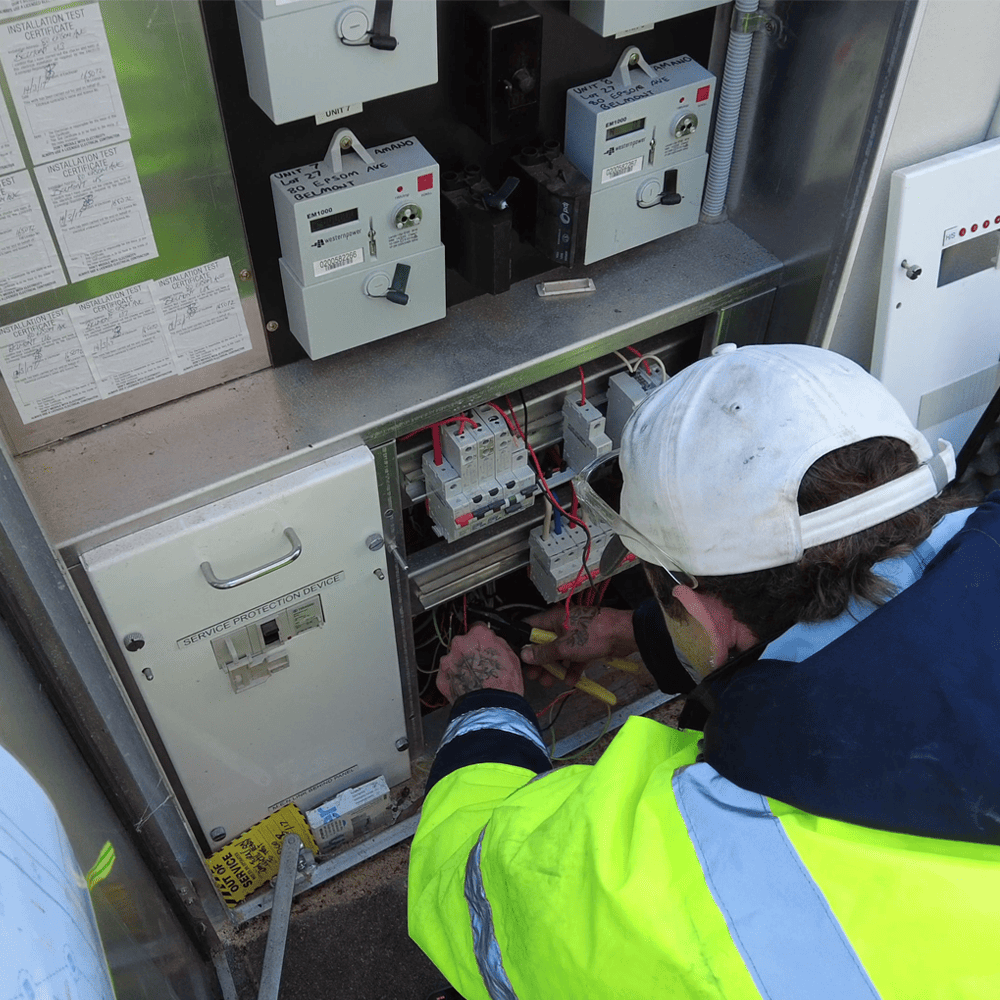
Building managers and committee members can legally open the outer door for basic visual checks. They shouldn’t ever remove the internal escutcheon panels exposing the live electrical wiring. Only licensed electricians can perform actual electrical work or internal testing.
How Often Should Switchboard Cabinets Be Cleaned?
Most indoor strata cabinets require a professional clean every one to two years. Outdoor enclosures in dusty or coastal areas might need attention every six months. Regular visual checks directly dictate the exact frequency for each specific building.
What Causes a Switchboard to Smell Like Fish?
A fishy smell strongly indicates overheating plastic and melting wire insulation. This specific odour is a severe warning sign of an impending electrical fire. Committees must arrange an immediate emergency inspection if they detect this smell.
Can Dust Really Cause a Power Outage?
Heavy dust buildup traps heat and forces protective breakers to trip prematurely. Conductive grime can also bridge live terminals and cause a direct short circuit. Both scenarios result in unexpected and completely avoidable building power outages.
Key Takeaways
A quick visual inspection of the switchboard cabinet is a highly effective ongoing maintenance tool. Catching dust buildup, moisture ingress, or pest activity early keeps repair bills incredibly low. Professional cleaning and timely electrical repairs protect the building’s vital infrastructure from sudden, catastrophic failure. Basic safety always dictates the next steps after a visual check.