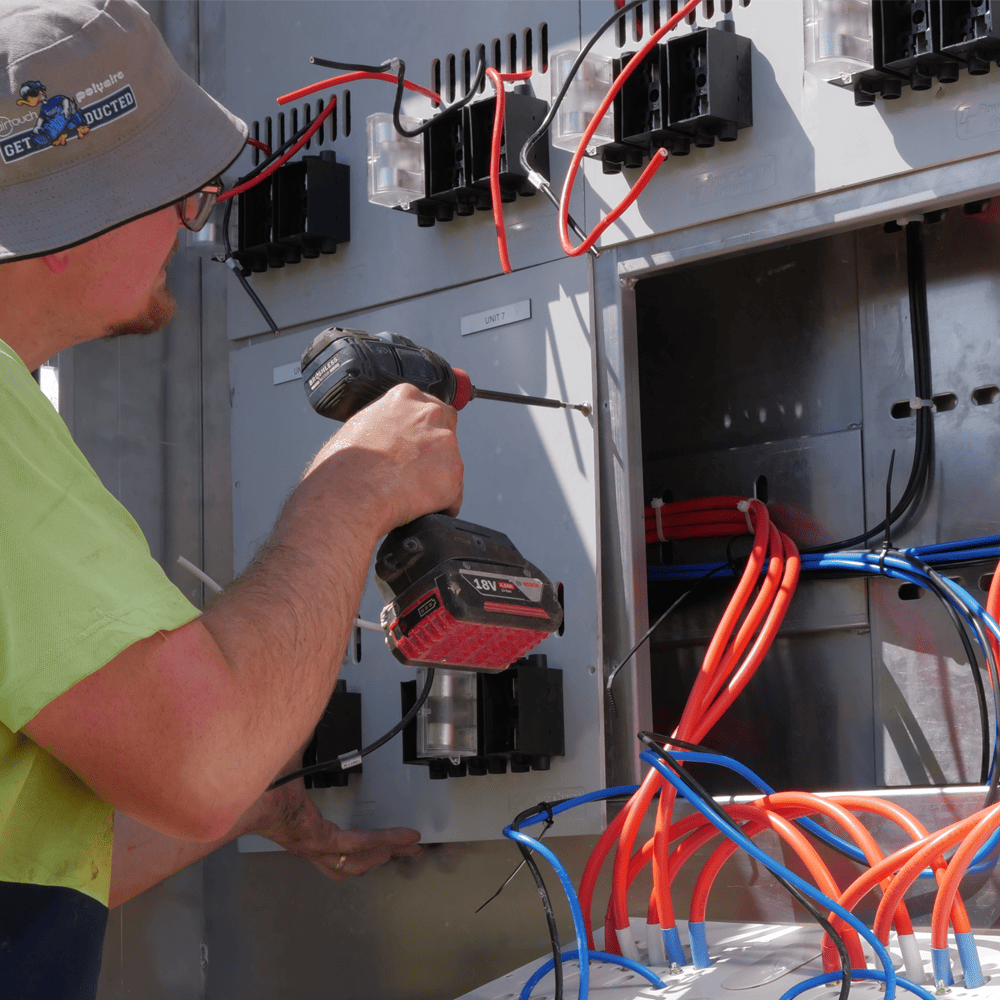
Most expensive electrical problems do not start as big, dramatic failures. They start as small shortcuts that look fine on day one, then get amplified by load, heat, vibration, weather exposure, and day to day operations.
A loose termination, a poorly sized cable, a rushed connection in a junction box, or an incorrect breaker selection can sit quietly until you hit peak demand or a hot week, then suddenly you are dealing with downtime, spoiled stock, failed equipment, or a site shutdown.
Licensed electrical contractors in Perth are not just there to wire things up. Based on our experience, they reduce the chances of those hidden costs turning up later, when the job is harder, riskier, and more expensive to fix.
Licensing Is Not Paperwork, It Is Risk Control
A commercial electrical job is rarely just “swap and go”. It involves design decisions, safe isolation, correct materials, load assessment, fault protection, and testing that proves the work is safe and performs as intended. Licensing exists because electricity has consequences. When things go wrong, they do not politely fail, they overheat, arc, trip, melt, or energise parts of a building that should never be live.
Licensed electrical contractors in Perth bring more than technical ability. They bring accountability, regulated competency, and a framework for doing the work legally and safely. That typically includes:
Working under the correct scope for the task and environment
Following applicable wiring rules and standards
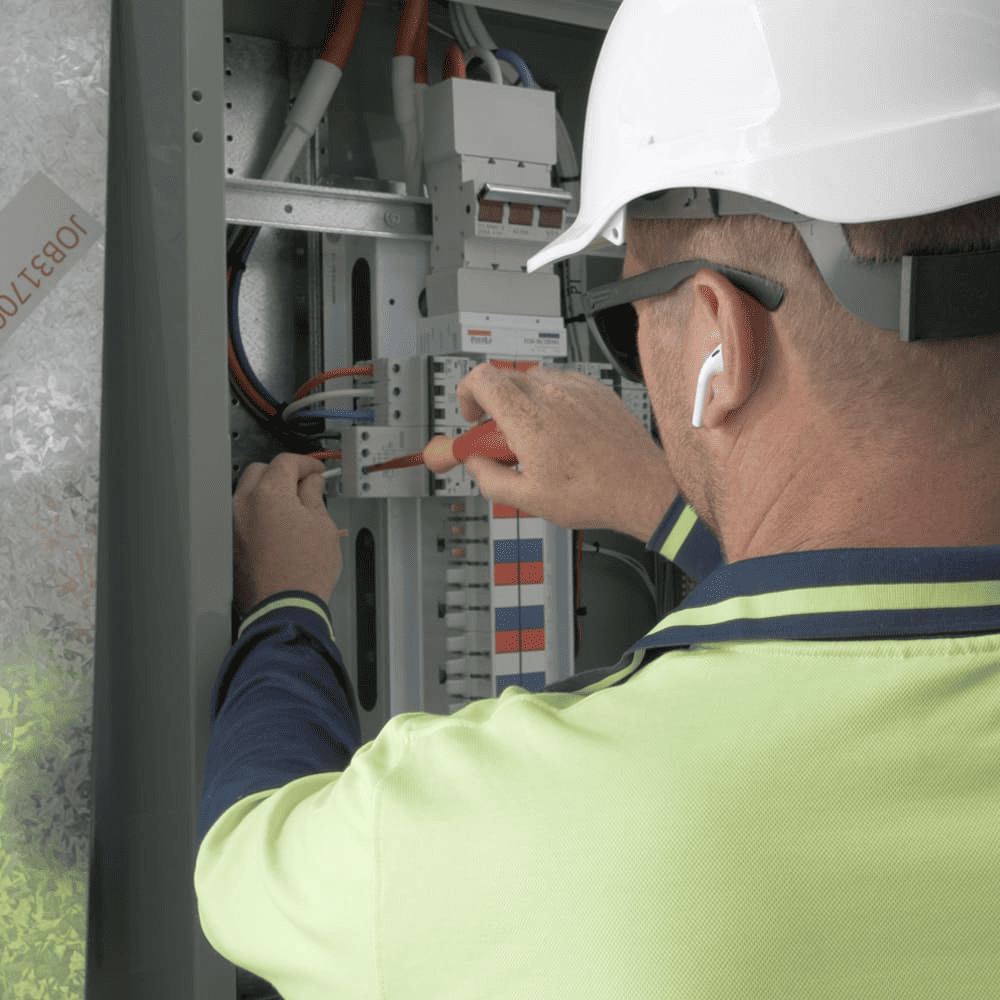
Using test equipment correctly and recording results
Providing compliance documentation where required
Understanding supervision requirements for apprentices and trade assistants
In commercial and industrial settings, the “how” matters as much as the “what”. Two installations can look identical to a non electrician, but behave very differently under load, during faults, and across years of vibration, heat cycling, and exposure.
Safety Risks That Also Hit the Bottom Line
Safety failures do not stay in the safety column. They end up as cost, delays, stress, and sometimes legal exposure. In commercial and industrial environments, an electrical incident can trigger investigations, site access restrictions, and downtime that lasts far longer than the physical repair.
Common cost drivers that follow safety issues include:
Lost production time and missed delivery targets
Emergency callouts, after hours labour, and expedited parts
Equipment damage from faults, surges, or incorrect protection
Higher insurance scrutiny after an incident
Replacement costs for damaged switchboards, VSDs, motors, and controls
Staff downtime, incident reporting, and operational disruption
Even near misses have a price. They often lead to extra audits, revised procedures, and reactive maintenance that costs more because it is unplanned.
Maintenance That Prevents Breakdowns
Preventative maintenance is where licensed electrical work pays for itself, because it reduces surprises. Many sites rely on a “fix it when it breaks” approach until a major outage forces a rethink. The problem is that electrical systems rarely fail without warning, but the warning signs are easy to miss without the right checks.
A practical maintenance programme usually focuses on the assets that create the biggest downtime risk:
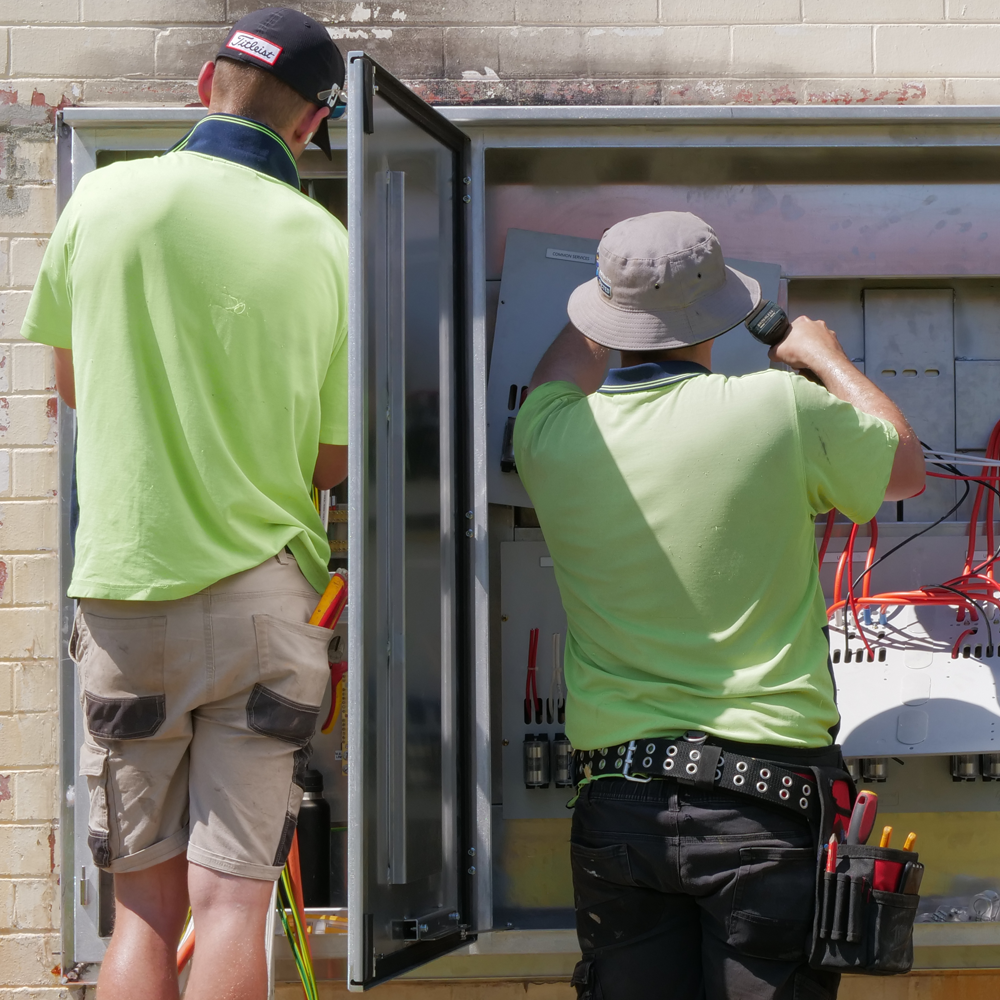
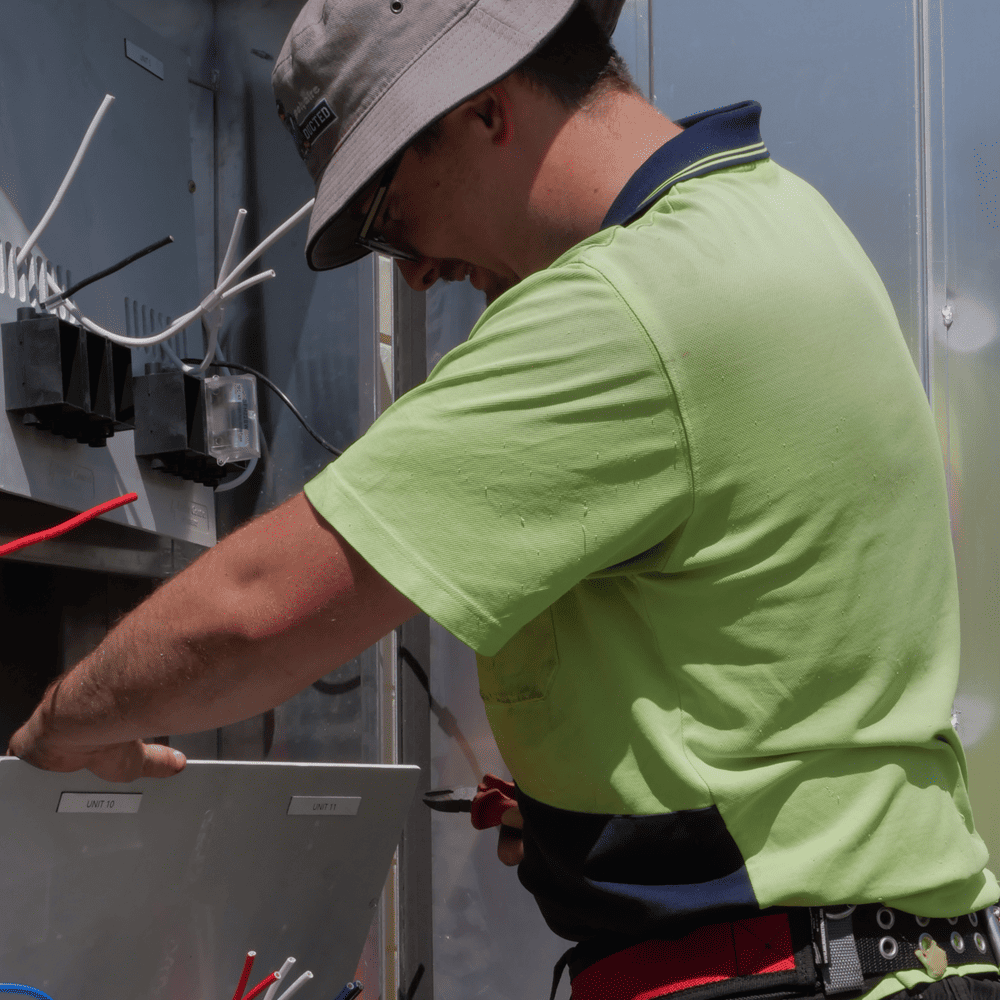
Switchboards and distribution boards – Thermal checks, inspection for heat damage, dust ingress management, tightening where appropriate (to manufacturer requirements), and verification of protective device operation.
RCDs and safety switches – Regular testing and documentation, especially in areas with portable equipment, wet environments, or public access.
Emergency and exit lighting – Functional testing and scheduled compliance checks so failures are found before an evacuation event or inspection.
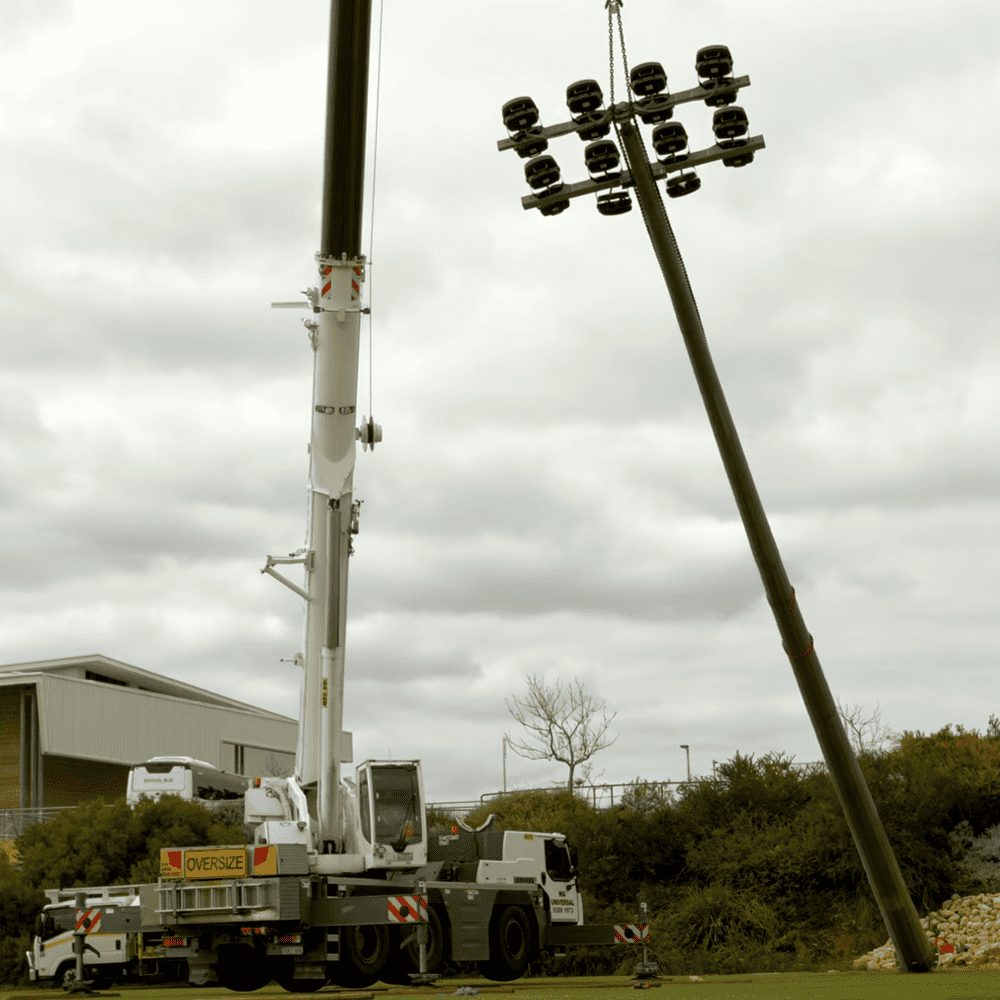
External lighting and infrastructure – Poles, car parks, loading bays, signage, and perimeter lighting need checks for water ingress, corrosion, damaged conduits, and cracked fittings.
Motors, drives, and plant connections – Loose terminations, heat, and vibration are common causes of faults. These issues often show up as nuisance trips or inconsistent operation before full failure.
UPS and backup power systems – Load testing, battery health checks, and transfer verification reduce the risk of unpleasant surprises during outages.
Planned maintenance also supports budgeting. It is easier to approve scheduled upgrades than to explain why an unplanned outage has stopped operations and blown the month’s spend.
Fitouts, Upgrades, and Expansions Need Proper Design
One of the quickest ways to create long term pain is to treat a commercial upgrade like a simple add on. A new tenancy fitout, a switchboard upgrade, or an equipment change can alter load profiles, fault levels, and how protection should operate. This is where experience matters, because the consequences show up later, often at the worst possible time.
Licensed professionals will typically consider factors like existing capacity, diversity, demand, and how the new work affects the rest of the site. They will also plan for staging, shutdown windows, commissioning, and documentation so the upgrade does not create a maintenance nightmare.
Areas where professional input prevents expensive rework include:
Future proofing capacity for likely growth
Avoiding overloaded mains and submains
Ensuring protection coordination makes sense
Improving isolation points and labelling for maintainability
Delivering test results and as built details that help future work
The cost difference between “installed” and “installed properly with evidence” is usually small compared to the cost of ripping it out later.
Specialist Environments Where DIY Fails Fast
Some commercial environments are less forgiving than others. If the site includes moisture, heat, chemicals, dust, heavy vibration, or public access, the margin for error shrinks fast. The same applies when there are compliance requirements tied to the building use.
Examples where you want licensed pros, not shortcuts:
Commercial kitchens and food prep areas where cleaning and moisture are constant
Cold rooms and refrigeration plant with high starting currents and controls
Workshops and warehouses with high bay lighting and mobile plant
Outdoor distribution, car parks, and large light poles exposed to weather
Plant rooms with pumps, motors, and VSDs
Sites with sensitive electronics, comms rooms, or server areas
Areas with higher risk atmospheres where equipment selection matters
These environments punish poor workmanship. Water ingress, corrosion, vibration, and heat do not care if the job looked neat on install day.
Quick Wins That Improve Reliability and Reduce Callouts
As we, at Direct Connect, always tell our clients, not every improvement requires a major upgrade. Small operational habits can reduce faults, shorten downtime, and make maintenance easier.
A few high value moves include:
Keep switchboard access clear and treat it as a critical zone
Record trip events (what tripped, when, what equipment was running)
Update labels when changes are made, not months later
Plan shutdown windows in advance for testing and maintenance
Address nuisance trips early, they are often early warning signs
Review outdoor assets before winter and before peak summer loads
These steps make it easier for your contractor to diagnose issues quickly, and they reduce the chances of repeat callouts for the same underlying problem.
Final Thoughts
Commercial electrical work is one of those areas where “near enough” can become expensive fast. The systems are more complex, the loads are heavier, and failures ripple into downtime, safety exposure, and repeat repair cycles. Hiring licensed pros is not about paying more for the same outcome, it is about getting an outcome that holds up under real site conditions.