Strata managers juggle competing priorities every week, from resident satisfaction to budget control and compliance. Preventative electrical maintenance is one lever that removes risk from the system while saving time and cost.
Instead of waiting for faults to escalate into outages and emergency call-outs, a structured programmed maintenance plan finds issues early, documents what matters, and keeps common assets running safely and efficiently.
What Preventative Electrical Maintenance Means
Preventative electrical maintenance is a planned cycle of inspections, testing and servicing that identifies electrical faults early. The goal is simple. Keep people safe, keep services running, and keep the building compliant. Unlike reactive repairs, which respond after something fails, preventative maintenance is scheduled and systematic.
Why Strata and Commercial Buildings Need It
Strata and commercial properties rely on shared infrastructure and heavier electrical loads than a typical home. Common switchboards, risers, metering, car park lighting, lifts, pumps and security systems all draw power constantly. The combination of age, duty cycles and environmental conditions increases wear and risk.
Preventative electrical maintenance reduces the frequency and severity of these events. By checking temperature trends at key terminations, verifying protective devices, and maintaining emergency systems, a building can operate smoothly for long.
For managers, that means time back in the week and a more predictable workload.
Key Components of a Solid Maintenance Program
A good program focuses on high-impact checks that pick up common failure modes. The following components form a strong baseline for strata and commercial buildings.
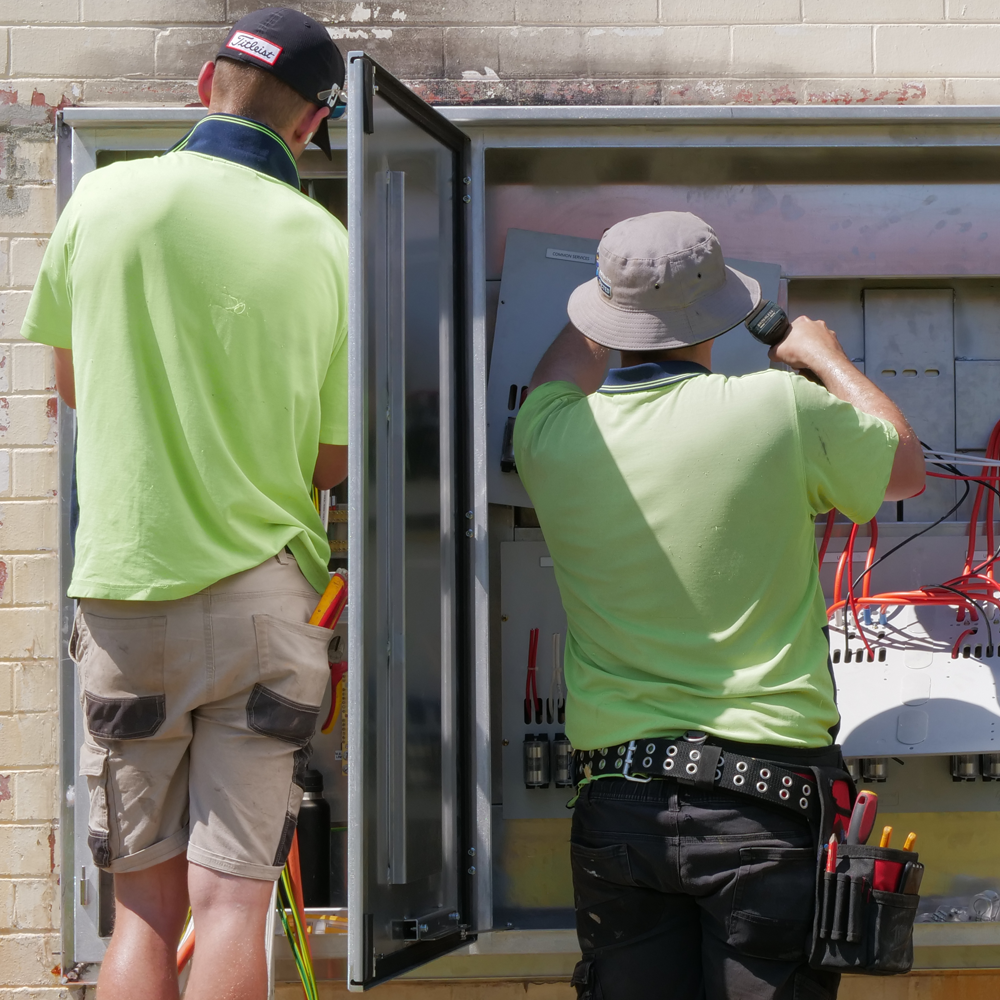
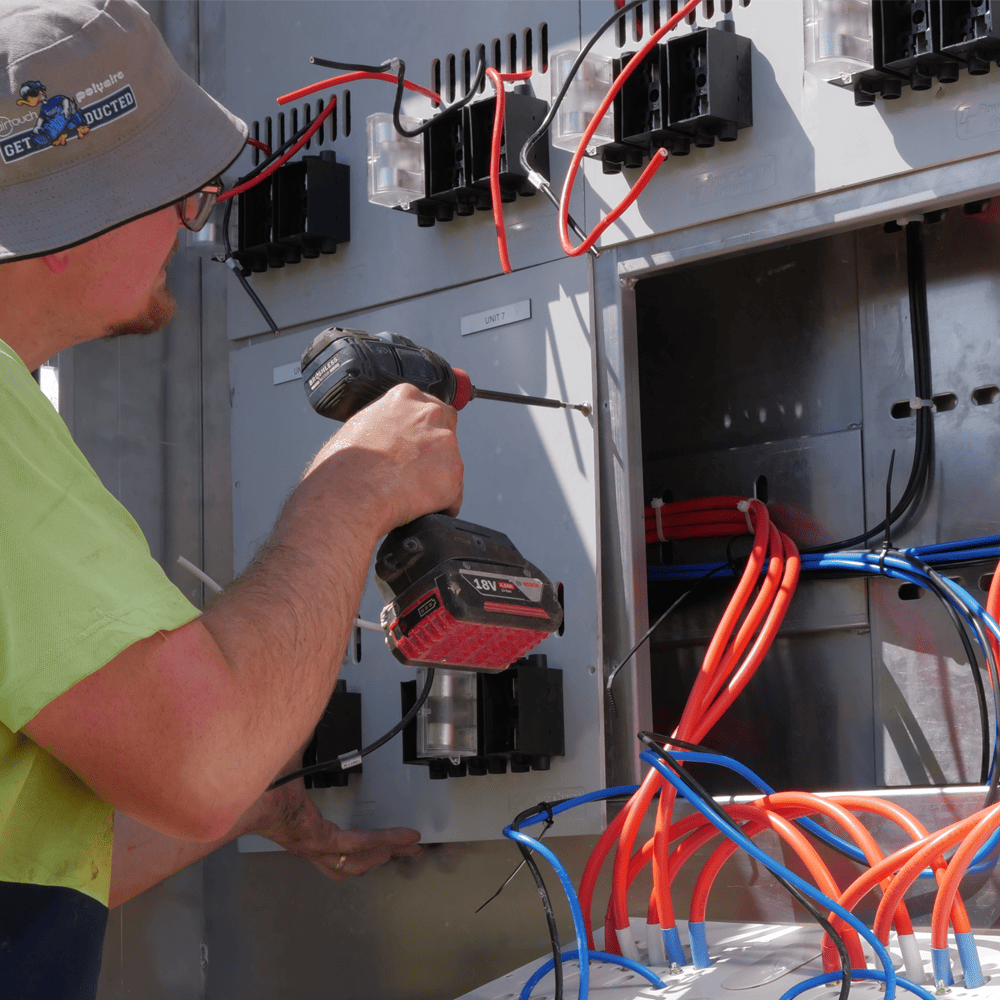
Switchboard Inspections and Condition Checks – Switchboards are the heart of the building’s electrical system. Visual inspections confirm labelling, IP ratings, clearances and physical condition. Connections are checked and tightened where needed. Temperature issues are assessed, with thermal hot-spot checks or thermal imaging used where appropriate to verify suspected heat-related risks. Finding and correcting a loose or stressed connection early is far cheaper than replacing damaged gear or dealing with a building-wide outage.
RCD Testing and Verification – Residual Current Devices protect people from electric shock. Periodic testing verifies trip times, confirms correct operation, and identifies nuisance or sluggish behaviour before it turns into a safety hazard. Keeping an RCD register with test dates and results helps demonstrate compliance and simplifies audits.
Smoke Alarm and Emergency Lighting Checks – Life-safety systems must work when the power fails or a fire starts. Routine function tests and battery checks confirm that exit and emergency lights meet required durations, and that smoke alarms are positioned and operating as intended. These checks also support insurance and regulatory obligations.
Common Area Lighting Maintenance and Upgrades – Stairwells, car parks, foyers and external walkways rely on consistent lighting for safety and security. A maintenance cycle that includes lamp and driver replacement, sensor calibration and cleaning preserves light levels and reduces complaints. LED upgrades can reduce energy use and extend maintenance intervals, which improves return on investment.
Compliance Verification and Efficiency Reviews – A maintenance visit is an ideal time to verify that installations still align with current standards and manufacturer recommendations. Basic efficiency reviews, such as checking time-clock schedules, tuning sensor set-points or replacing inefficient fittings, can trim running costs without major capital works.
What You Receive After Each Visit
Clear deliverables turn technical work into usable management information. After each maintenance cycle, strata managers should expect:
Maintenance Reports and Compliance Documentation – A concise report that lists the areas inspected, tests performed, results recorded and any non-conformances found. Where relevant, certificates and test sheets are included for your records.
Fault Logs and Prioritised Recommendations – Not all findings need immediate action. A useful report ranks issues by risk and impact, then separates quick fixes, planned repairs and future upgrades. This prevents over-spending and ensures attention lands where it matters most.
Committee-Ready Summaries – A one-page summary written in plain language helps managers brief committees efficiently. It captures what was done, what needs attention, budget estimates and timing suggestions without the technical noise.
How Preventative Maintenance Supports Strata Management
Preventative electrical maintenance is not just about the equipment. It is a support system for the people who run the building. The benefits fall into three practical buckets.
Fewer Unplanned Outages and Costly Repairs – Catching loose terminations, fatigued breakers and failing control gear turns potential emergencies into planned works. The result is less disruption to residents and fewer after-hours calls.
Stronger Compliance and Insurance Alignment – Documented RCD tests, emergency lighting checks and smoke alarm verifications help you demonstrate that the building is meeting its obligations. Insurers and auditors respond well to professional, consistent records.
Predictable Budgets and Fewer Complaints – When you can see forthcoming repairs and upgrades on a clear horizon, you can phase spending logically. Lighting that just works, exits that remain lit, and fewer tripping incidents all reduce day-to-day noise from tenants.
The Timeline, Process and Quoting Approach
A simple, repeatable process keeps the administrative load light and the technical work thorough. Framing this as programmed maintenance makes the cadence easy to understand and approve.
Site Inspection and Assessment – The first visit maps the electrical infrastructure. The electrician reviews switchboards, distribution paths, common services and critical loads. Any site access requirements, shutdown windows and safety considerations are captured at this stage.
Custom Maintenance Schedule Creation – Based on building size, asset criticality and compliance needs, a schedule is built that sets inspection frequency and test scope. High-risk assets, such as main switchboards and emergency systems, may receive more frequent checks.
Routine Servicing and Testing – Technicians execute the agreed plan with minimal disruption, usually during standard hours or pre-arranged windows. RCD testing, emergency lighting runs, visual inspections and relevant hot-spot checks are documented as they occur.
Detailed Reporting and Follow-Up Quoting – The post-visit pack includes test results and findings, along with quotes or cost ranges for any corrective works. This enables quick approvals and planned outages rather than last-minute scrambling.
Examples of Improvements and Return on Investment
The value of preventative electrical maintenance shows up in avoided costs and extended asset life. Common examples include:
Fewer Breakdowns and Lower Emergency Costs – A single after-hours call-out can equal the cost of several routine checks. By reducing unplanned failures, you spend more of the budget on planned improvements and less on urgent response.
Longer Equipment Lifespan and Better Efficiency – Tight connections run cooler, protection devices trip correctly, and lighting drivers operate within spec. Equipment lasts longer and consumes less energy, which compounds the savings across years.
Improved Compliance Profile and Less Stress – When certificates and test sheets are current, audits become quick and uneventful. Managers spend less time chasing paperwork and more time focusing on strategic improvements.
Tailoring for Strata and Commercial Properties
Preventative electrical maintenance for strata and commercial buildings is broader and more complex than a residential tune-up. The work touches common property, shared services and critical systems that support many users at once.
There are more stakeholders, more formal compliance requirements, and more need to coordinate access and shutdowns. A tailored program acknowledges these realities. It sets a cadence that fits the building’s operating rhythm, aligns with committee meetings and budget cycles, and respects quiet hours for residents and tenants.
This is where a programmed maintenance plan earns its keep, because it brings predictable timing, clear reports and repeatable tasks that everyone understands.
What Good Looks Like in Practice
If you are assessing providers or refining your current plan, look for the following signals that your preventative electrical maintenance program is set up for success.
A clear scope document that matches your building’s actual assets
A register of switchboards, RCDs, emergency lights and smoke alarms with testing frequencies
Condition checks that include hot-spot assessment or thermal imaging where appropriate
Reports that separate urgent actions from lower-priority improvements
Costed recommendations with sensible timeframes
A named point of contact who understands your building and communicates promptly
When these pieces are in place, preventative electrical maintenance becomes a routine line item that quietly prevents problems. It delivers safer buildings, smoother operations and less friction for everyone who relies on the shared infrastructure.
Bringing It All Together
Preventative electrical maintenance is not a nice-to-have for strata and commercial properties. It is a practical discipline that saves time, money and stress by catching faults early, documenting compliance, and turning large, complex systems into manageable tasks.