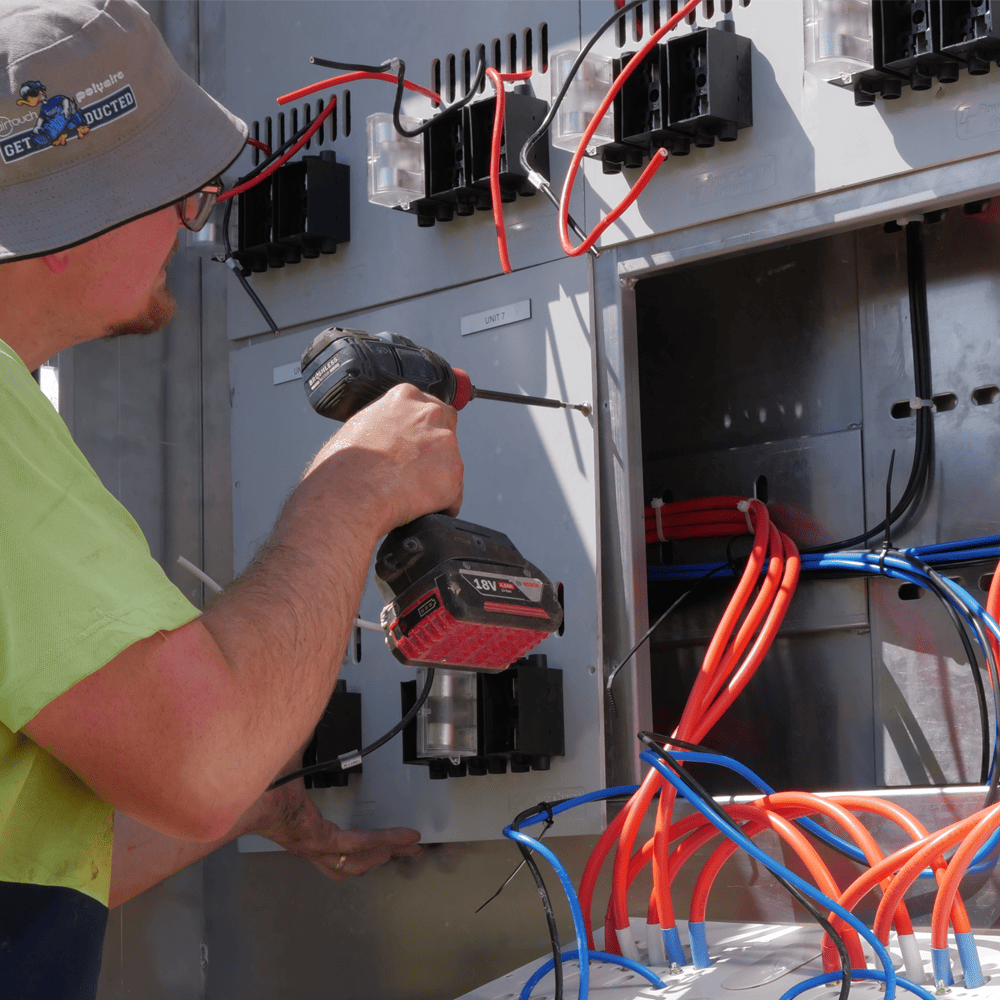
Emergency lighting is one of those building systems people barely notice until something goes wrong. In a power outage, fire event, evacuation, or other emergency, it stops being part of the background and starts doing a very important job. It helps people move safely, identify exits, avoid hazards, and leave the building in an orderly way. That is exactly why routine maintenance matters.
For property managers, business owners, and facilities teams, keeping emergency lighting in working order is not just a box-ticking exercise. It is part of responsible site management. Working with licensed professionals, including experienced electrical contractors in Perth, helps reduce the chances of hidden faults sitting unnoticed until the moment the system is actually needed.
Why Emergency Lighting Matters More Than People Think
Emergency lighting is designed to operate when the normal power supply fails. That sounds straightforward, but the job it performs in real conditions is bigger than many people realise. During an outage or emergency, people may already be stressed, disoriented, or rushing to leave. Poor visibility can quickly increase confusion and risk.
In commercial buildings, warehouses, offices, retail spaces, schools, medical sites, and strata properties, emergency lights support safe movement through corridors, stairwells, exits, and other key areas. Exit lighting also helps direct people where they need to go without hesitation.
When these systems are maintained properly, they support:
safer evacuation pathways
better visibility during outages
reduced panic in low-light conditions
improved site readiness during emergencies
stronger confidence that the building is being managed properly
That level of reliability does not come from installing the system once and forgetting about it. It comes from regular inspection, testing, servicing, and follow-up repairs where needed.
What Happens When Maintenance Is Neglected
Neglect usually does not show itself in a dramatic way at first. Emergency lights do not always advertise that they are failing. A fitting may still look fine from below while the battery has degraded, the charging circuit has a fault, or the light output is no longer strong enough to do the job properly in an actual emergency.
That is what makes skipped maintenance risky. Problems can sit in the background for months, sometimes longer, without anyone noticing. Then, when the mains power drops, a light fails to operate, a fitting runs flat too quickly, or an exit path is left darker than it should be.
The risks of neglect can include:
non-functioning lights during an outage
weak battery backup performance
damaged or ageing fittings being left in service
failed test records or incomplete compliance documentation
disruption to tenants, staff, visitors, or operations after faults are discovered late
extra repair costs caused by avoidable deterioration
There is also the practical side. Leaving issues too long often means more reactive callouts, more urgent repairs, and more inconvenience for everyone using the site. A small problem picked up in a scheduled check is usually much easier to deal with than a fault discovered during an emergency or after a compliance issue is raised.
Why Routine Maintenance Beats Last-Minute Fixes
Some sites only pay attention to emergency lighting when an audit is coming up, a tenancy is changing hands, or someone spots a fitting that looks faulty. That approach tends to create pressure, rushed decision-making, and patchy results.
Routine maintenance is more effective because it creates consistency. Instead of waiting for issues to pile up, the system is checked at planned intervals. Faults are identified earlier, repairs can be prioritised properly, and records are easier to keep up to date.
There is also a financial angle here. Preventive maintenance generally supports better cost control than constantly reacting to faults as they appear. It helps facilities teams plan work rather than scramble around urgent problems.
A scheduled approach usually gives you:
more predictable maintenance costs
fewer surprises during inspections
less downtime caused by urgent electrical issues
earlier detection of battery and fitting problems
better visibility over the condition of the system across the site
In short, routine maintenance supports reliability. That matters because emergency lighting is not something people test in the middle of a crisis and then decide whether it was worth maintaining.
What a Scheduled Emergency Lighting Service Typically Includes
A proper maintenance program is not just someone walking past fittings and glancing upward. Meaningful servicing involves checking that emergency and exit lights are functioning as intended and identifying anything that could compromise performance when normal power is lost.
The exact scope can vary from site to site, but scheduled inspections commonly include testing operation, checking fitting condition, reviewing battery performance, identifying damaged components, and recording faults or required actions.
A practical service visit may involve:
testing emergency and exit light operation
checking that fittings illuminate correctly under test conditions
inspecting physical condition, damage, or deterioration
identifying battery issues or reduced backup performance
confirming key areas and exit paths remain adequately covered
recording faults, repairs, and follow-up recommendations
That process is important because emergency lighting systems are made up of multiple components, and any weak point can affect overall performance. Batteries age. Fittings wear out. Site changes can also alter how well the existing layout supports safe evacuation. Regular servicing helps catch those issues before they become major problems.
Why Licensed Electricians Matter
Emergency lighting is not an area where guesswork should be part of the process. These systems are tied directly to safety, compliance, and electrical performance. Licensed professional electricians bring the right technical knowledge to inspect, test, diagnose, and repair systems properly.
They are also better placed to identify related issues that may affect performance, such as damaged circuits, installation defects, unsuitable fittings, ageing infrastructure, or other electrical concerns that a basic visual check would miss.
Choosing experienced electrical contractors Perth property managers and businesses trust can make a real difference because proper maintenance is not just about spotting an obvious dead fitting. It is about understanding how the system performs, where the weak points are, and what needs to be done to keep it reliable in real conditions.
Licensed electricians also help by:
carrying out inspections safely and correctly
identifying faults that are easy to overlook
recommending repairs or upgrades based on actual site condition
helping maintain service records and maintenance history
reducing the risk of incomplete or poor-quality work
That professional input becomes even more valuable on larger or more complex sites where emergency lighting is spread across multiple zones, levels, tenancies, or work areas.
Final Thoughts
Routine emergency lighting maintenance is one of those jobs that can seem easy to delay until the day it suddenly feels urgent. By then, the site may already be carrying faults, missing records, or reduced system reliability.
Scheduled inspections help avoid that situation. They support safer evacuation conditions, reduce the risk of hidden failures, improve maintenance planning, and make compliance easier to manage over time. Just as importantly, they help ensure emergency and exit lighting systems actually do their job when the normal power supply drops.