A sudden strata power outage can turn a quiet weekday into a stressful scramble. Lifts stop, emergency lighting is tested, residents start calling, and everyone looks to the strata manager for answers. Responding quickly and calmly protects residents, reduces risk, and helps your electrician find the fault faster.
In Perth and across WA, practical actions that work in real conditions include fast safety checks, clear communication, and having an emergency strata electrician ready on speed dial. With a clear process and the right contractor, a power outage does not have to become a crisis.
Understanding Why Strata Power Outages Are Different
Power going out in a standalone home is frustrating. In a strata power outage, the stakes are much higher because multiple lots, shared services, and common safety systems are affected at the same time. One fault can impact lifts, car parks, access control, security cameras, automatic gates, and lighting in stairwells and foyers.
Modern complexes rely heavily on electrical systems. Basement car parks often have mechanical ventilation fans, boom gates, and roller doors. Hallways and stairwells rely on emergency and exit lighting. Common areas may include gyms with powered equipment, pools with pumps, and shared function rooms. Many buildings also have aluminium balustrades, fencing, and meter enclosures that conceal critical electrical equipment, which means residents do not always see where the problem might be.
Strata managers also need to think about liability and compliance. Residents and visitors must be able to evacuate safely, find their way through dark areas, and access essential services. A structured response reduces confusion, keeps people safe, and supports your insurer if an incident occurs during a strata power outage.
Step 1: Confirm Whether It Is a Grid or Building Issue
Before calling contractors, work out whether the loss of power is due to a wider Western Power outage or an internal fault within the complex. This helps you decide who needs to act first and how urgently you need an emergency strata electrician.
Start with these checks:
Look for signs of a wider outage, such as street lights, neighbouring properties, or nearby traffic signals being off.
Ask residents whether anyone still has power in parts of the building or in other blocks on the same site.
If safe, check the main switchboard or meter room for tripped main switches or submains.
Use the relevant outage information channels for your area to see whether a local grid issue has been reported.
If the surrounding area is also blacked out, the issue is probably a grid problem. When street lighting and nearby buildings still have power but your complex does not, it is time to treat it as an internal fault and prepare to call an emergency strata electrician.
Step 2: Make Common Areas Safe Immediately
Once you suspect an internal issue, turn your attention to life safety and safe movement around the building. Common areas can become hazardous very quickly during a strata power outage, particularly in multi-storey buildings or complexes with underground car parks.
Focus on immediate risks:
Confirm that emergency and exit lighting has come on and is working at a basic level.
Advise residents to avoid using lifts and, if needed, place temporary signage at lift lobbies.
Ask residents to report any people stuck in lifts so that emergency services can be called.
Check that stairwells and key access paths are usable, even if only under emergency lighting.
Confirm that motorised gates or roller doors in car parks are locked in a safe position or are manually secured.
Some older buildings still have aluminium wiring or older switchgear that may be more susceptible to heat and loose connections. If anyone reports burning smells, smoke, or unusual heat around switchboards or meter boxes, treat the area as unsafe, keep residents clear, and prioritise an urgent call to your emergency strata electrician.
Step 3: Map Out What Has Lost Power
The more information you can provide your contractor, the faster they can diagnose and fix the issue. A quick site assessment that maps out what is affected is one of the most useful actions a strata manager can take during a power outage at a strata in Perth residents are worried about.
Capture clear notes on what you observe:
Which blocks, levels, or lots are without power, and which are still operating normally.
Whether common services such as lifts, basement exhaust fans, car park lighting, or pumps are working.
Any patterns, such as one riser, one phase, or one section of the complex being affected.
Whether protection devices at the main switchboard, distribution boards, or common area subboards have tripped.
Any resident reports of sparks, popping sounds, or damage that could point to a particular circuit or appliance.
Simple details, such as whether aluminium meter enclosures are hot to the touch or whether only one section of a car park is blacked out, can save valuable time once your contractor arrives. Your notes also become useful records for the committee and for future preventative maintenance planning.
Step 4: Communicate Clearly with Residents
Residents are usually more concerned about safety and timing than technical explanations. Clear, calm communication helps control frustration and reduces the chance of misinformation spreading in group chats and corridors during a strata power outage.
Useful points to cover in your first message:
Acknowledge that there is a power issue and confirm that it is being investigated.
Provide straightforward safety advice, such as avoiding lifts and taking extra care in stairwells and car parks.
Let residents know whether the issue appears to be a wider grid outage or an internal fault that needs an electrician.
Outline the next step, such as waiting on confirmation from Western Power or the arrival time of your emergency strata electrician.
Set expectations about when you will provide the next update, even if you do not yet have a resolution time.
If your complex has noticeboards, digital platforms, or email lists, use them to keep messages consistent. During a strata power outage, Perth residents may also check social media or local news for information, so it helps if your updates are timely and easy to understand.
Step 5: Call an Emergency Strata Electrician
Once you have confirmed the issue is within the building or you have any safety concerns, bring in an experienced emergency strata electrician. Strata complexes are not the place for trial and error. Shared infrastructure, multiple stakeholders, and legal obligations all demand a contractor who works with strata every day.
Call immediately if you notice:
Repeated tripping of main switches, common area circuits, or critical plant.
Burning smells, smoke, or visible damage around switchboards, risers, or meter rooms.
Loss of essential services such as lifts, fire pumps, or mechanical ventilation in enclosed car parks.
Water ingress around electrical equipment, for example from roof leaks or flooding.
Any sign of tampering, vandalism, or impact damage to meter panels, aluminium switchboard enclosures, or bollards protecting electrical infrastructure.
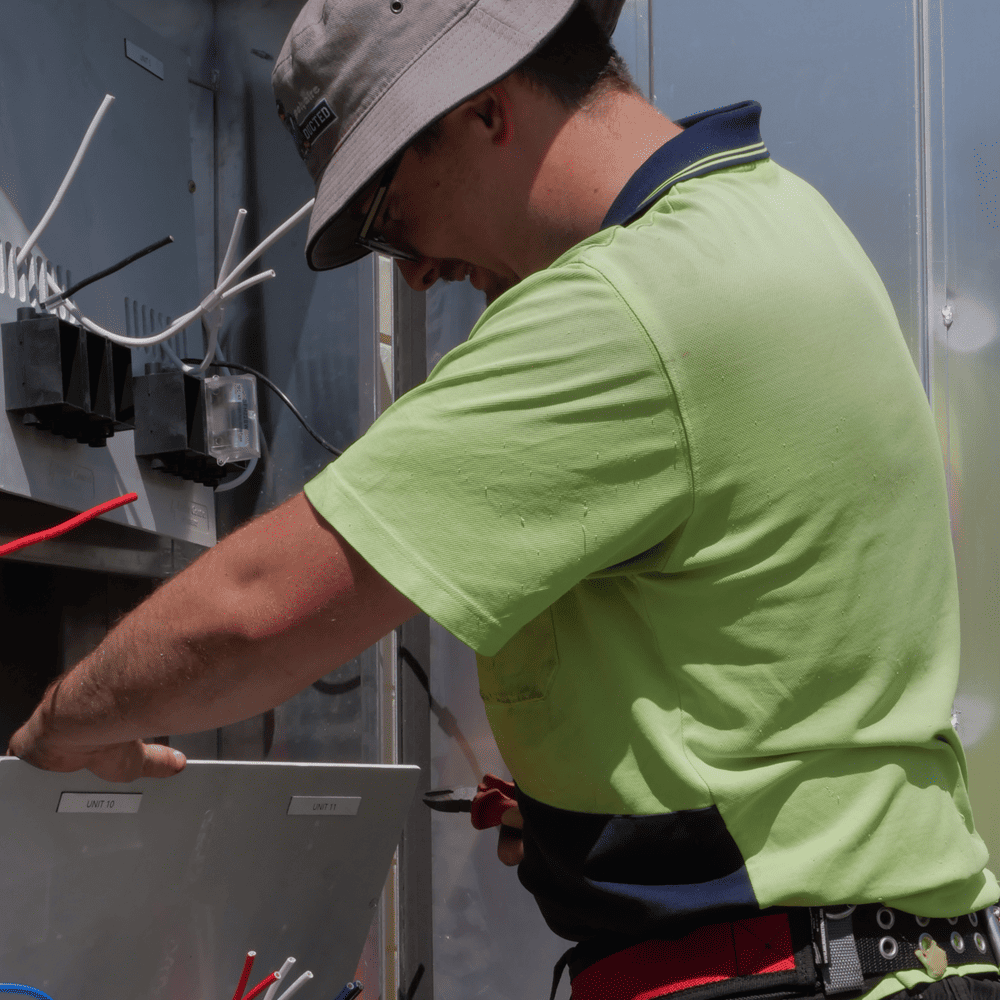
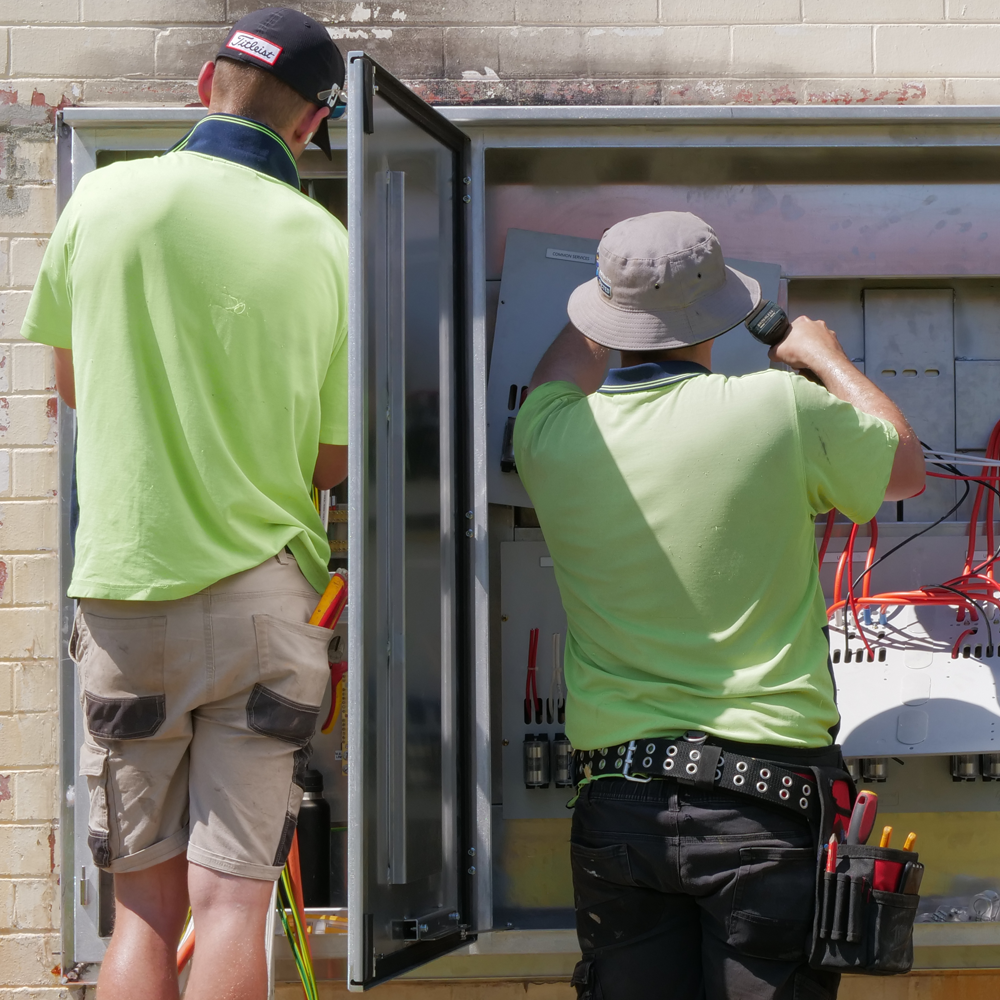
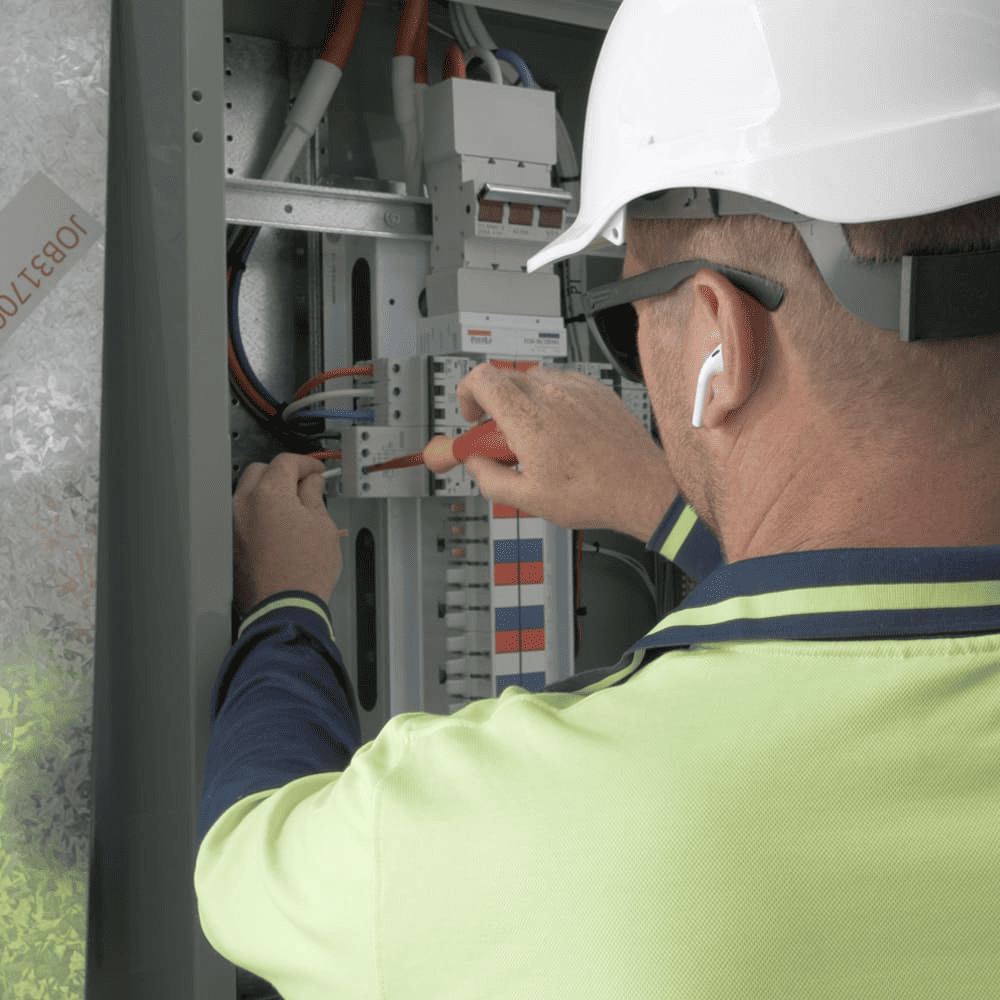
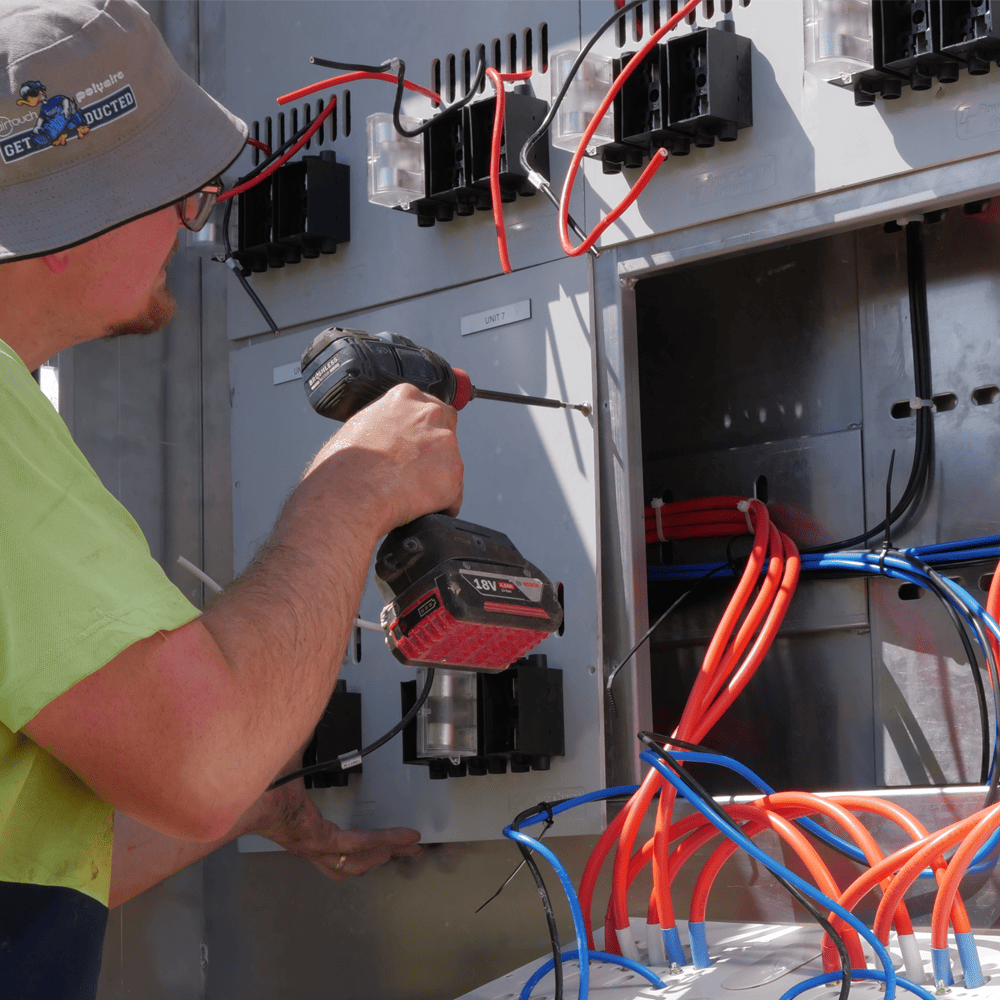
Having DCEA as your preferred emergency strata electrician means you get fast response, accurate fault finding, and tradespeople who understand how to work around residents and common property. The team can isolate faults, restore power safely, and provide practical advice on what needs repair now and what should be scheduled as part of longer term upgrades.
Step 6: Close the Loop After Power Is Restored
Once power is back on, the job is not finished. A structured wrap up ensures that everyone understands what happened, what was fixed, and how to reduce the chance of a repeat strata power outage. It also shows owners that their manager and contractor are proactive and organised.
Make sure you cover these items:
Request a clear written report from your electrician outlining the cause, the rectification work, and any risks that remain.
Share a plain language summary with the council of owners or committee, along with any urgent recommendations.
Provide residents with a brief update explaining what happened and confirming that it is safe to resume normal use of lifts and common areas.
Note any recurring faults that have come up in previous outages, such as the same circuit or riser causing issues.
Update your building records with photos, switchboard labelling improvements, and access notes that will help next time.
DCEA places strong emphasis on communication and reporting as part of every call out. When dealing with a stressful power outage at a strata in Perth, conditions can throw up at short notice, that level of documentation helps everyone stay informed and supports future decision making about upgrades or maintenance.
Final Thoughts
Power interruptions are part of life in any city, but a strata power outage does not have to derail an entire complex. When managers know how to distinguish between grid and internal issues, secure common areas, document what is affected, and communicate clearly, residents feel safer and less anxious.