Managing a strata property is not the same as managing a single commercial building or a residential rental. You’re dealing with shared infrastructure, multiple owners, body corporate obligations, and residents who have every right to expect their common areas are safe and functional.
When electrical issues enter the picture, the stakes go up fast. Engaging reliable strata electrical services in Perth before problems escalate is one of the most practical things a strata manager can do, both for compliance and for their own sanity.
Why Strata Electrical Compliance Is More Complex Than It Looks
Strata properties operate under a different set of obligations compared to standard residential or commercial buildings. The electrical infrastructure is shared, meaning a fault in one area can affect multiple residents at once. And because the building is managed collectively, responsibility for repairs and maintenance is shared across the body corporate, which can slow down decision-making when speed matters.
What makes this more complicated is that compliance requirements cover multiple categories of electrical infrastructure simultaneously. It’s not just about keeping the lights on in the lobby. You’re responsible for ensuring:
Emergency and exit lighting is tested and operational at required intervals
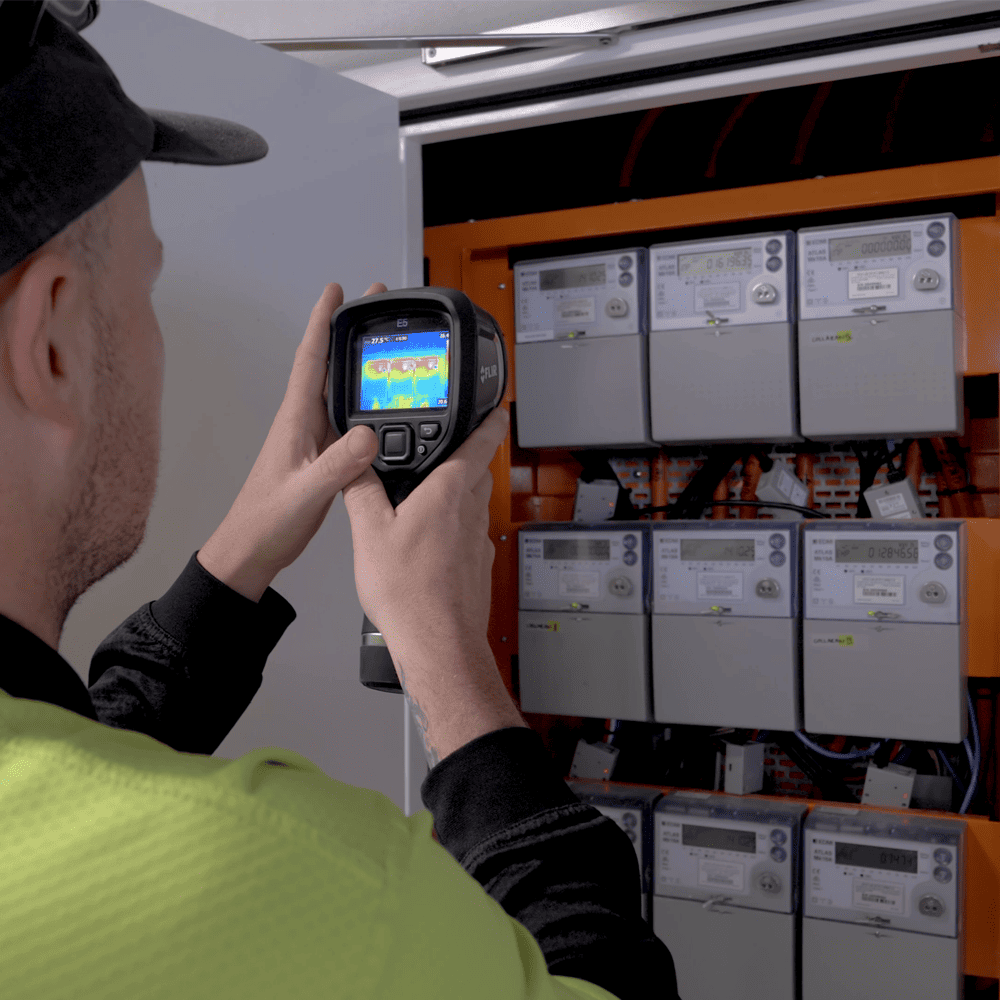
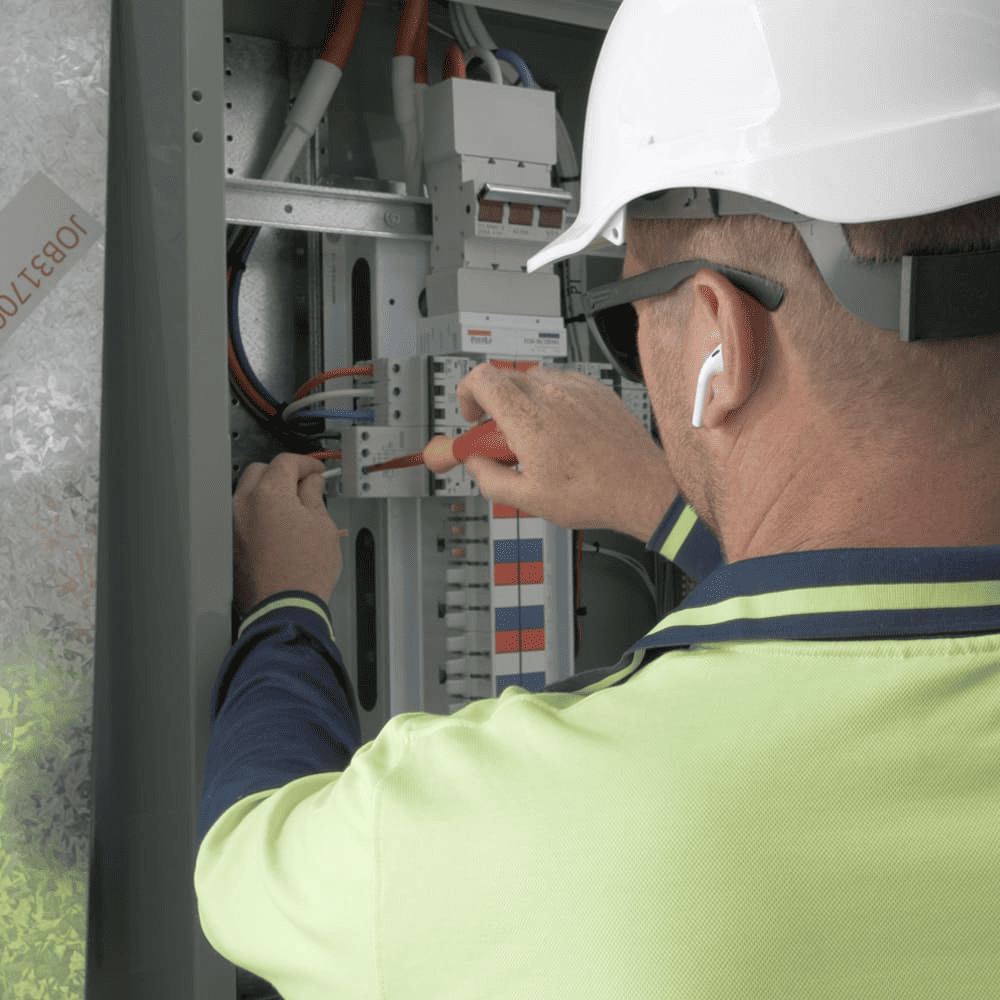
Switchboards servicing common areas are safe and up to current standards
Smoke alarms in communal spaces are maintained and tested regularly
Common area lighting (car parks, stairwells, hallways) meets safety standards
Any electrical faults are documented and rectified with proper records kept
Each of these has its own compliance timeline and documentation requirement. Letting one slip through the cracks is how bodies corporate end up exposed to liability.
What a Proactive Maintenance Schedule Actually Looks Like
A proactive approach to strata electrical maintenance doesn’t need to be complicated to be effective. It’s essentially about scheduling known requirements in advance and using those visits to catch smaller issues before they become bigger ones.
A well-structured schedule for most strata properties would include regular inspection of common area lighting, planned testing of emergency and exit lighting systems (typically every six months for testing and annually for discharge testing), periodic switchboard inspections, and smoke alarm checks in communal areas. The exact frequency will depend on the size and type of the property, but the principle is the same: plan it in advance, document everything, and don’t wait for something to fail.
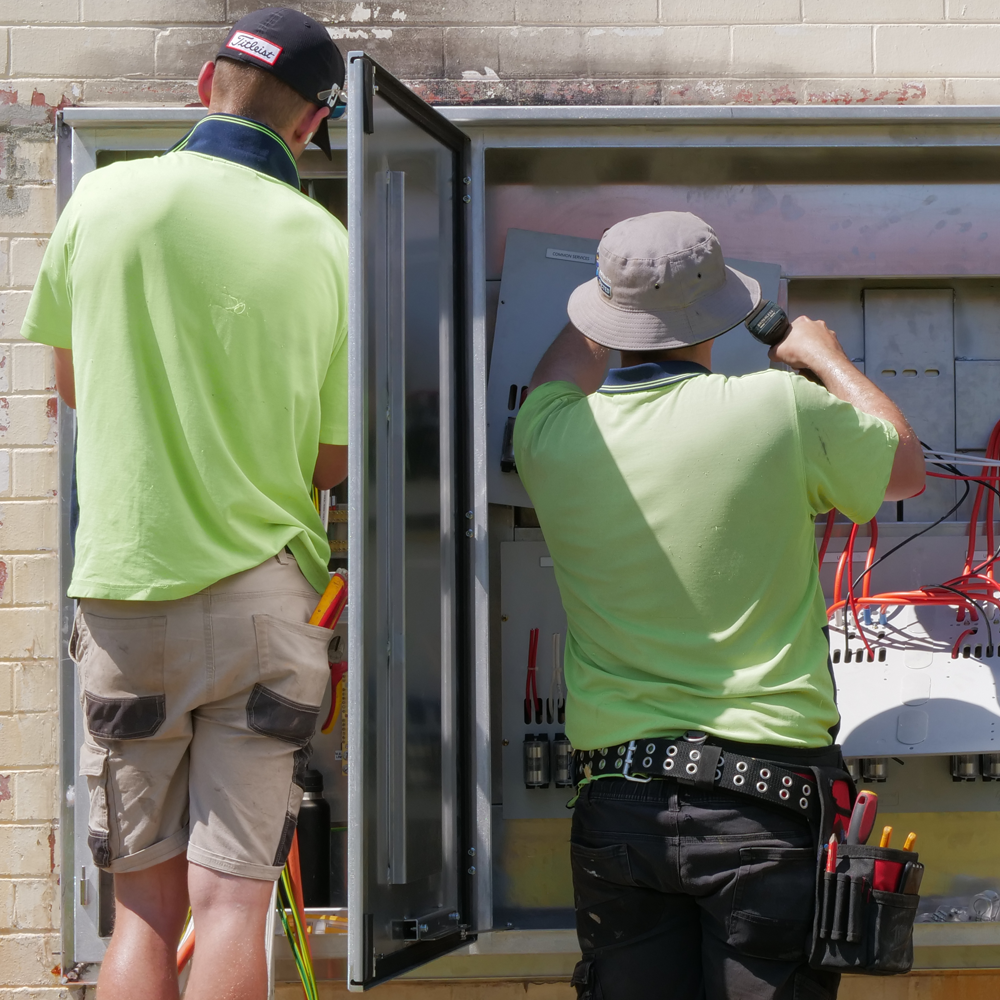
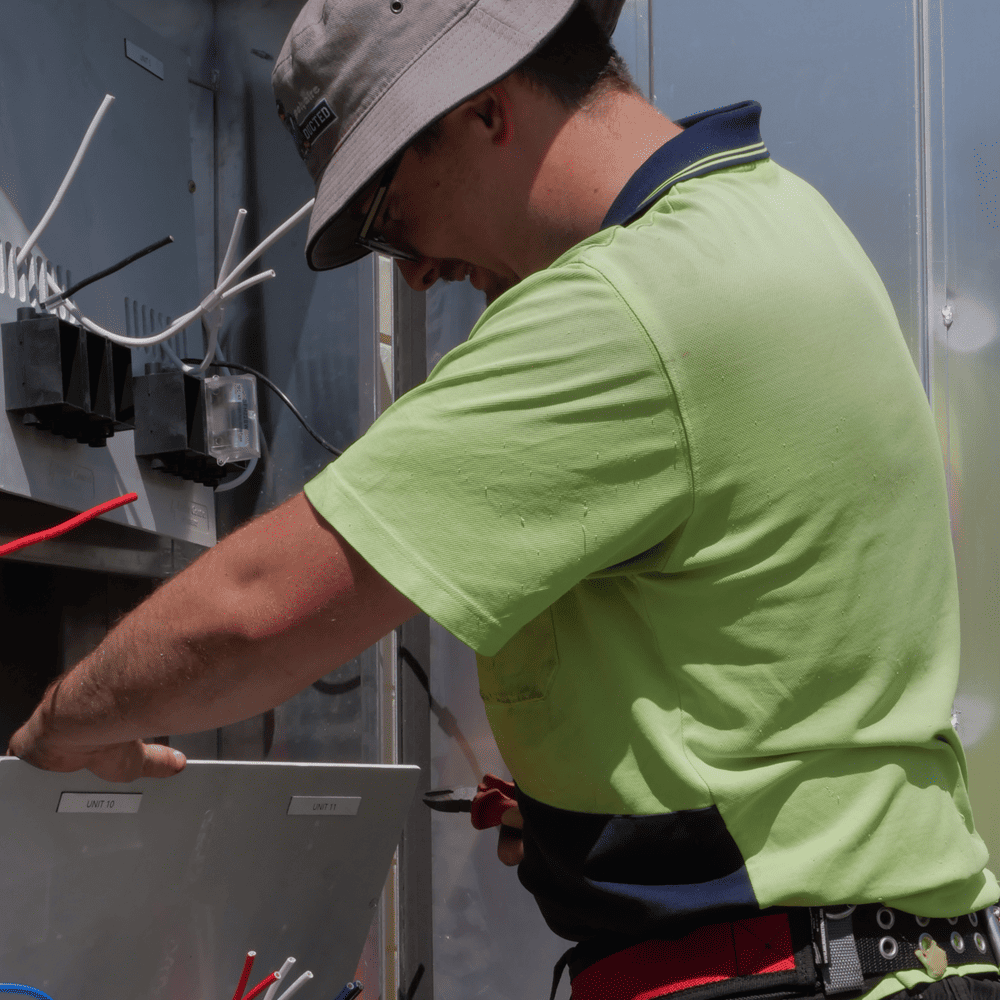
Working with a contractor who specialises in strata electrical services in Perth makes this easier because they already understand the compliance framework and can help you structure a schedule that covers all the bases. The documentation they provide after each visit also goes straight into body corporate records, which is exactly what you need.
Common Area Electrical: Where Things Go Wrong Most Often
Common areas are where strata electrical issues tend to cluster, simply because the infrastructure is shared, older in many buildings, and subject to more frequent use than individual unit wiring.
Car parks are a consistent problem area. Lighting in underground and surface-level car parks takes a beating from vehicle exhaust, moisture, and constant cycling. LED upgrades have improved the situation significantly, but even LED systems need ongoing maintenance and periodic inspection.
Stairwells and lift lobbies are another common pain point. Emergency lighting in these areas is particularly important because these are evacuation routes. If emergency lighting fails during an inspection or, worse, during an actual emergency, the consequences for the body corporate are serious.
External common area lighting is often overlooked until a resident complains or an incident occurs. Regular inspections make it easy to pick up failing fittings, corroded weatherproof covers, or circuits drawing more current than expected.
How to Evaluate an Electrical Contractor for Strata Work
Not every licensed electrician is well-suited to strata work. The technical skills are one part of it, but the operational and communication requirements are different from a standard residential or commercial job.
When assessing a contractor, there are a few things worth looking at closely. Strata properties require someone who can work respectfully around residents, communicate clearly with building managers, and complete work with minimal disruption during agreed hours. They also need to understand documentation requirements well enough to provide records that are actually useful for body corporate reporting.
Beyond the basics, consider:
Whether they have experience across low-rise and high-rise strata complexes
How they handle after-hours callouts, since electrical faults don’t keep business hours
Whether they offer transparent quoting, because surprises on invoices create friction with bodies corporate
Their capacity to scale services across a portfolio if you manage multiple properties
The ability to deal with a single contractor across multiple buildings is genuinely useful. It reduces the coordination load, builds consistency in documentation, and means you’re working with someone who already understands your expectations.
Switchboard Health and Why It Matters for the Whole Building
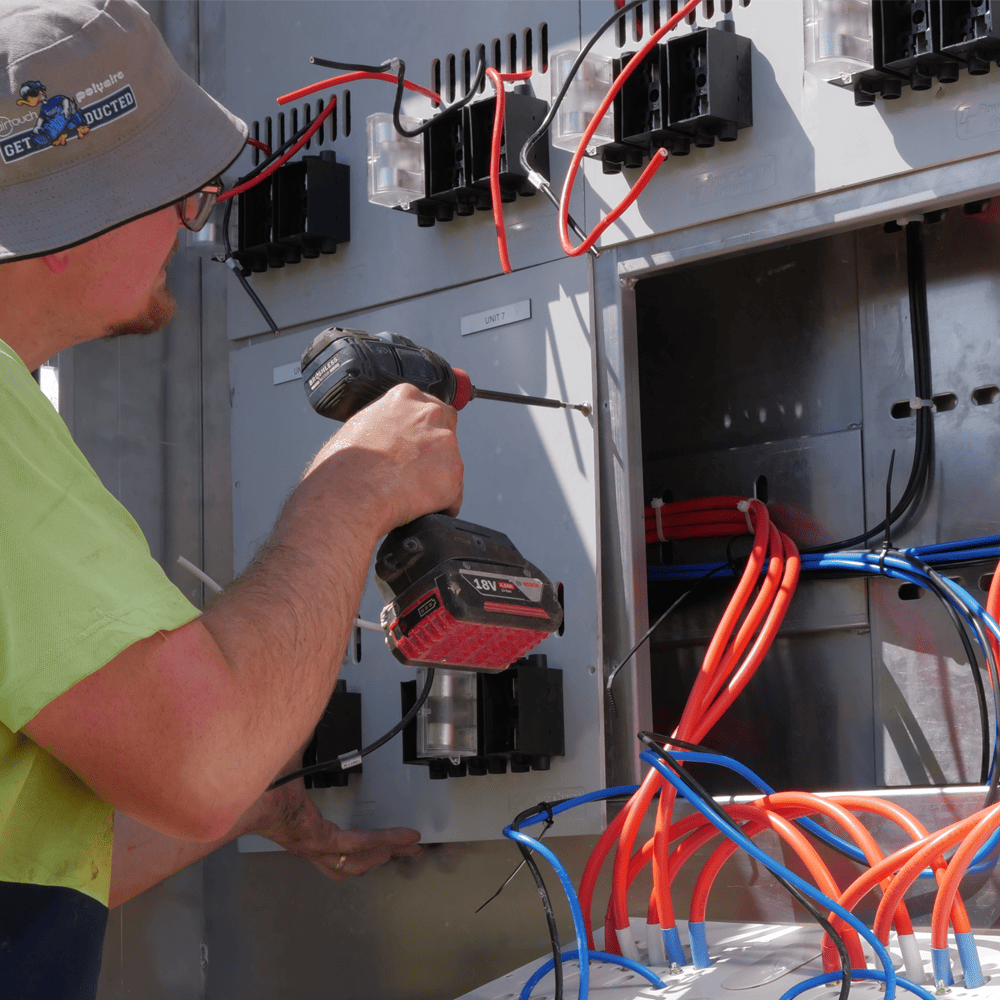
The switchboard servicing a strata common area is the central point of the electrical system for that part of the building. When it’s in good condition, everything downstream tends to stay stable. When it’s not, problems ripple outward.
Older switchboards with ceramic fuses, undersized wiring, or no residual current devices (RCDs) present both a safety risk and a compliance issue. In Western Australia, electrical safety standards require RCDs on certain circuits, and strata bodies corporate are responsible for ensuring the common area electrical infrastructure meets those requirements.
A switchboard inspection as part of a scheduled maintenance visit will typically identify whether the board is compliant, whether it has capacity for planned upgrades (like EV charging points or additional common area lighting), and whether any components are showing signs of wear or heat damage. That’s useful information to have before a project, not after something fails during one.
Managing Electrical Upgrades Without Disrupting Residents
Upgrades to strata electrical infrastructure, whether that’s LED lighting conversions, switchboard replacements, or new infrastructure for EV charging, require more careful planning than equivalent work in a single-occupancy building. You have residents to consider, body corporate approvals to obtain, and access logistics to manage.
The planning stage is where most of the pain points can be avoided. A detailed scope of work, a clear timeline, and staged scheduling that minimises disruption to high-use areas all make a material difference. Stage lighting upgrades through common areas section by section rather than taking an entire zone offline. Schedule switchboard work for low-traffic periods and communicate in advance with residents about any planned outages.
Good contractors who work regularly in strata already have processes for this. They’re used to communicating with building managers, managing access, and reporting back on completion in a format that suits body corporate records. That operational familiarity matters just as much as the electrical expertise.
Key Takeaways
Electrical maintenance in strata is not something that runs well on autopilot. The compliance obligations are real, the shared infrastructure creates risk that affects multiple residents at once, and a reactive-only approach tends to cost more in both time and money than a planned one.
The practical path forward for most strata managers is to build a scheduled maintenance programme that covers the key compliance items, work with a contractor who genuinely understands the strata environment, and keep documentation tight. Engaging a team that offers dedicated strata electrical services in Perth means fewer moving parts to manage and more confidence that compliance obligations are being met consistently.
The properties that run well electrically are almost always the ones where someone made a deliberate decision to stop treating maintenance as a problem to deal with later. That decision doesn’t require a big overhaul. It just requires a starting point.