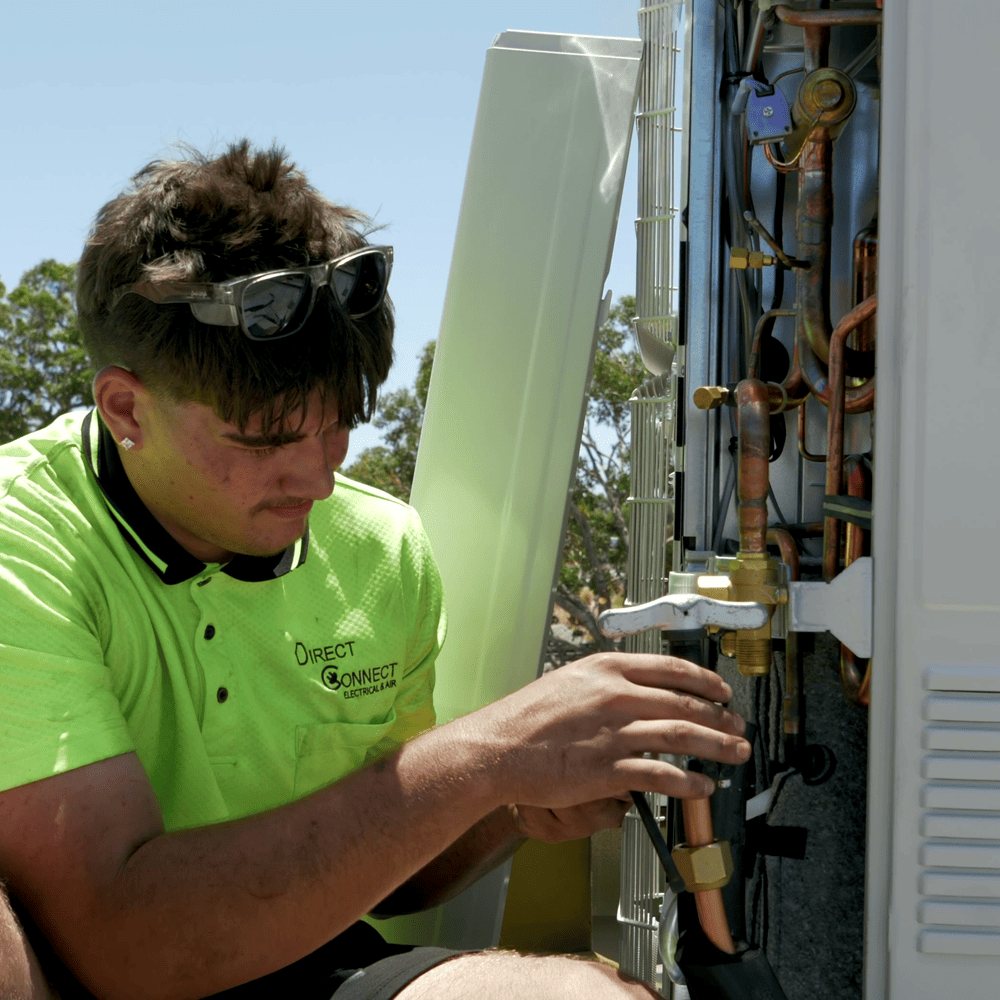
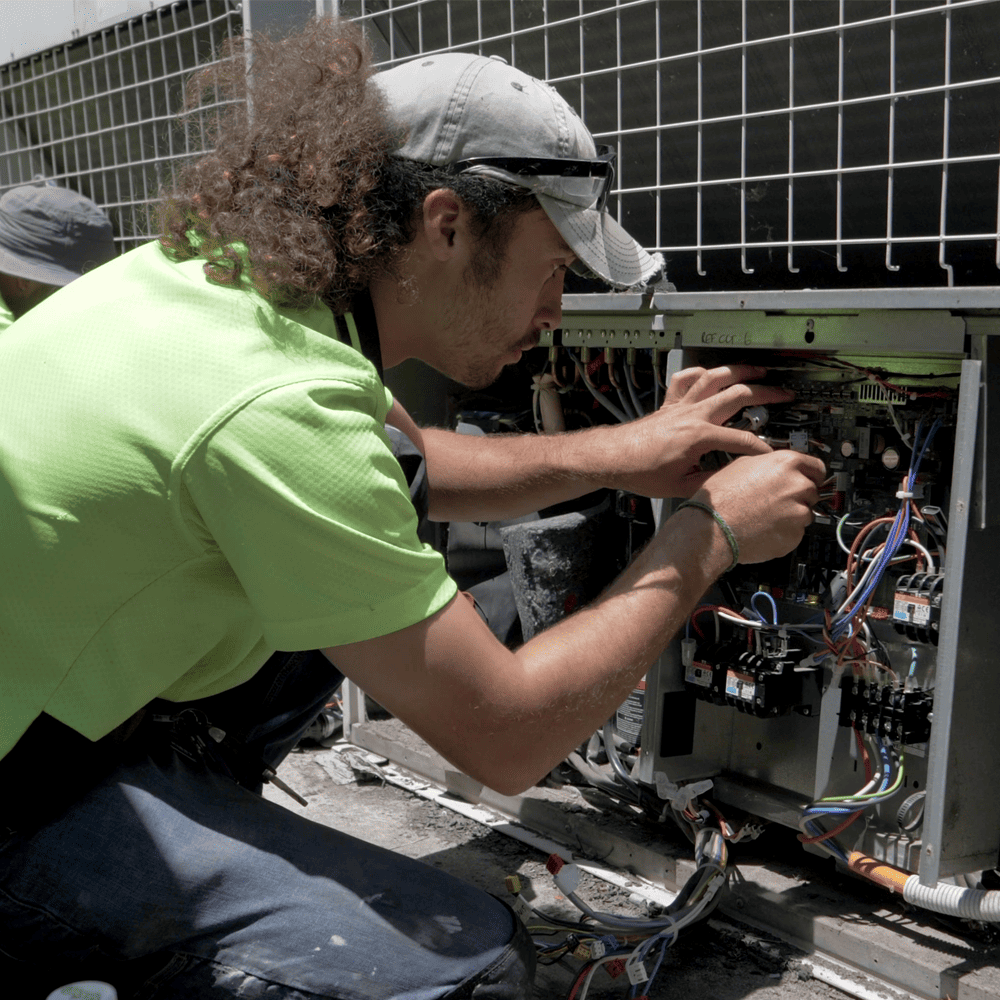
Commercial refrigeration units in Perth need professional servicing every three to six months depending on their operational workload. Summer temperatures here push equipment to the absolute limit.
A reliable refrigeration mechanic in Perth knows these local conditions dictate tighter maintenance schedules. Systems cop a hammering when ambient temperatures sit above thirty-five degrees for consecutive days. This environmental stress directly impacts thermal load.
Preventative maintenance keeps power bills down across the board. It stops minor wear and tear from becoming a full-scale blowout on a busy Friday night.
Setting the Baseline for Maintenance Frequencies in Perth
The ideal maintenance frequency for most Perth commercial sites is a comprehensive quarterly inspection. High-volume kitchens or vital medical storage facilities often bump this requirement to a monthly check. Equipment type and daily operational volume dictate exact inspection windows.
Walk-in freezers generally require checks every three months to inspect door seals and clear out dirty evaporator coils.
Display cabinets facing direct sunlight need bi-monthly attention because heavy UV exposure degrades seals and plastics much faster.
Stand-alone prep fridges often scrape by on six-monthly services if kitchen staff keep the accessible filters clean.
Heavy-duty ice machines demand quarterly descaling to prevent severe mineral buildup from the hard local water supply.
Beverage chillers typically need thorough condenser blowouts twice a year to maintain optimal cooling performance.
Assessing the True Cost of Skipped Servicing
Skipping scheduled services drastically increases the likelihood of catastrophic system failure and severe food safety breaches. Minor faults don’t stay minor for very long in high-stress hospitality environments. A blocked drain line seems completely trivial until water pools under a cabinet and ruins the flooring. Poor maintenance routines consistently generate specific financial liabilities.
Ignoring dirty condenser coils forces the system to run hotter, which drastically cuts the compressor lifespan.
Failing to check thermostat calibration leads to temperature fluctuations that easily ruin perishable stock.
Neglecting to clear drainage lines causes condensation overflows that create severe slip hazards in commercial kitchens.
Skipping electrical connection checks allows loose wires to arc, posing a massive fire risk to the premises.
Tackling Refrigerant Leaks and Environmental Compliance
Unchecked refrigerant leaks trigger massive fines under Australian environmental laws. Facilities legally must have an ARC-licensed technician handle any synthetic fluorocarbon refrigerants. Technicians must find and fix the leak before adding any new gas. Ignoring a suspected gas leak creates compounding mechanical failures.
Slow leaks force the cooling system to work significantly harder, which drastically spikes monthly power consumption.
Breaching environmental regulations brings hefty financial penalties from federal authorities for illegal greenhouse gas discharge.
Replacing lost R404A or R134a refrigerant is highly expensive due to strictly controlled supply quotas.
Compressors starved of returning refrigerant gas will eventually overheat and seize, forcing a total replacement.
Why Using a Qualified Refrigeration Mechanic in Perth Matters
Hiring an unqualified worker for complex cooling equipment guarantees voided warranties and extremely costly emergency repairs. A certified refrigeration mechanic in Perth diagnoses root causes instead of just treating the superficial symptoms. The upfront hourly rate of a specialist often scares off tight-fisted venue managers. They hire a general maintenance person instead to save a few dollars.
That poor decision usually leads to a desperate call for help two weeks later. Businesses always get what they pay for in this trade.
Diagnosing a modern commercial cooling system requires deep understanding of thermodynamics and electrical control circuits. It isn’t just about turning a spanner on some copper pipe. Faulty defrost timers might mimic a low-gas issue to an entirely untrained eye. Replacing the gas won’t fix a stuck mechanical relay.
Genuine replacement parts are another major operational factor. A proper technician sources components that strictly match the specific load requirements of the unit.
Cheap aftermarket fans might physically fit in the housing. They rarely push the required air volume across the coil. The system never gets a proper crack at reaching the target set point. This causes the compressor to run nonstop until it inevitably fails.
Identifying Early Warning Signs of Equipment Failure
Unusual noises, pooling water, and inconsistent internal temperatures are the clearest early indicators that a cooling system is failing. Ignoring these obvious signs practically guarantees a complete mechanical breakdown during service. Venue staff are the absolute first line of defence against sudden equipment failure.
A rapid clicking sound from the compressor indicates a failing start relay or a heavy electrical overload.
Excessive heat radiating from the exterior panels suggests the condenser is completely choked with airborne dust.
Puddles forming near the base of the unit point to blocked defrost drains or heavily frozen coils.
Stock icing over near the internal vents means the thermostat is reading incorrectly or baffles are damaged.
Planning for Seasonal Temperature Shifts
Cooling systems require a comprehensive tune-up just before the summer heatwave hits to handle the massive spike in ambient temperatures. Waiting until late January to clean a condenser is a recipe for absolute disaster. The transition from winter to spring is the ideal window for major preventative work. Winter weather lulls venue operators into a false sense of security.
Ambient temperatures sit comfortably in the low twenties for months. Even a struggling compressor can maintain internal temperatures under those mild conditions.
The real test happens when the mercury hits forty degrees outside. The system thermal load effectively doubles overnight. Equipment that hasn’t been properly serviced will trip on high head pressure. That breakdown usually happens on the absolute hottest week of the entire year.
Every single refrigeration company is fully booked during a heatwave. Getting a quick emergency response is near impossible then.
Preparing the gear in October saves a massive operational headache in January. Most smart venue owners lock in their pre-summer service dates months in advance. Smart operators never wait until the cool room starts warming up to make a booking.
Frequently Asked Questions
How Long Does a Typical Refrigeration Service Take?
A standard preventative maintenance check takes about one to two hours per major unit. Complex repairs or leak detection procedures easily run into a full half-day job. The baseline condition of the equipment heavily dictates the total time required. Well-maintained systems always process through testing much faster.
Can Staff Clean the Condenser Coils Themselves?
Staff can lightly brush external dust off the protective grilles, but deep cleaning requires a professional. High-pressure air or harsh chemicals used incorrectly easily bend the fragile aluminium fins. Damaged fins restrict necessary airflow and cause the entire system to overheat. It’s always safer to leave the coil cleaning to a trained technician.
Why Does a Cool Room Run Constantly?
Constant running usually points to a high thermal load, faulty door seals, or low refrigerant gas levels. The compressor is struggling endlessly to reach the set point temperature. This demands immediate attention to prevent the motor from burning out entirely. Ignoring a constantly running motor guarantees a massive future repair bill.
Wrap-Up
Maintaining commercial cooling equipment is an ongoing operational requirement for any serious business. Skipping scheduled maintenance inevitably results in severe financial pain and massive stress for venue owners.
A dependable refrigeration mechanic in Perth provides peace of mind through regular, documented mechanical inspections. Keeping units clean and accurately calibrated extends their working lifespan by many years.